Experiencing a car accident is stressful, and decisions made in the moments that follow can have lasting consequences. One of the most common challenges drivers face is arranging vehicle removal quickly and responsibly. Emotions often run high, and confusion at the scene can lead to rushed choices that create financial or legal issues later. Knowing how to evaluate service providers, understand costs, and follow proper steps helps you protect your vehicle, avoid unnecessary expenses, and stay compliant with legal and insurance requirements. This guide explains how to navigate the process with clarity and confidence, even under pressure.
How to Choose the Right Towing Service
Reputation is one of the most reliable indicators of service quality. Drivers should look for companies with consistently positive reviews, clear business information, and a documented history of operating in the area. Online ratings, local business directories, and referrals from insurance providers or roadside assistance programs can help verify legitimacy. Be cautious of unsolicited operators who arrive unrequested at accident scenes, as these services may charge excessive fees or lack proper licensing, insurance, or accountability.
Accidents do not follow a schedule, which makes 24/7 availability essential. A dependable provider should be able to respond promptly at any hour, communicate estimated arrival times, and explain next steps clearly. Services that operate around the clock are better equipped to coordinate with law enforcement, clear accident scenes efficiently, and reduce the risk of secondary accidents caused by disabled vehicles left on the roadway.
Before authorizing service, ask for a clear cost estimate and confirm what is included in the quoted price. Some insurance policies cover towing after an accident, while others require reimbursement or use of approved vendors. Understanding coverage limits, distance restrictions, and storage policies helps prevent unexpected out-of-pocket expenses. When possible, confirm details with your insurer before committing to a service provider.
Steps to Take Immediately After an Accident
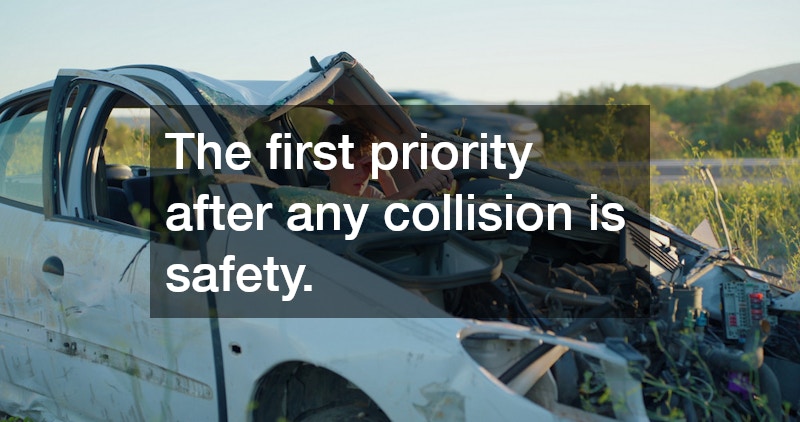
The first priority after any collision is safety. Move vehicles out of traffic if possible, activate hazard lights, and set out warning devices if available. Check for injuries and call emergency services when needed. Follow local laws regarding reporting requirements, which may include remaining at the scene and exchanging information. Avoid discussing fault, and focus on documenting the situation with photos, witness details, and written notes when conditions allow.
Depending on the severity of the accident, contacting law enforcement may be required or strongly recommended. A police report provides an official record that supports insurance claims and liability determinations. Notify your insurance provider as soon as possible to begin the claims process, receive guidance on approved repair facilities, and understand how vehicle removal will be handled under your policy.
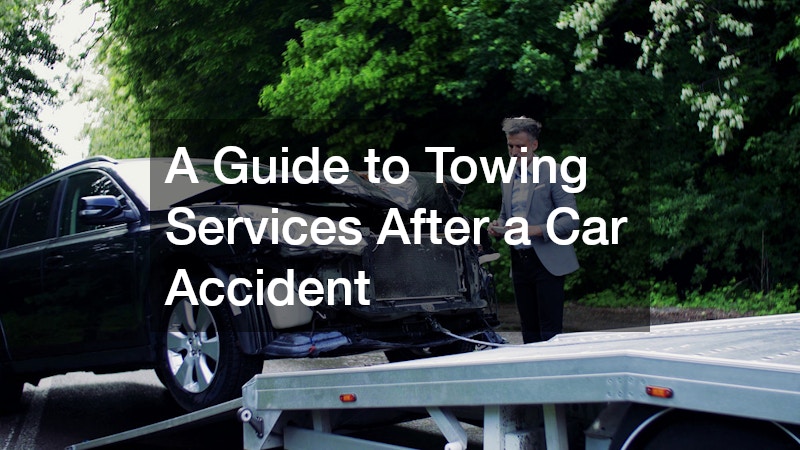
Once safety and reporting steps are complete, arrangements can be made to move the vehicle. Confirm where the car will be taken, such as a repair shop, dealership, or secured storage lot, and ask about daily storage fees. Planning alternative transportation in advance helps you leave the scene efficiently and reduces additional stress during an already disruptive event.
Towing Service Costs and Negotiation
Charges typically include a base hookup fee and a per-mile rate, with additional costs for after-hours service, specialized equipment, accident recovery, or vehicle storage. Understanding these components allows drivers to recognize reasonable pricing and identify potential red flags. Requesting an itemized explanation helps ensure transparency before services are rendered.
While emergencies limit bargaining power, it is still appropriate to ask questions and clarify fees before service begins. If multiple providers are available through insurance or roadside assistance, comparing estimates can help control costs. Clear communication and documented agreements reduce the likelihood of disputes later.
Before signing any agreement, read the terms carefully and ensure they match what was discussed verbally. After service is complete, review the final bill for accuracy, including mileage, fees, and storage charges. Address discrepancies promptly and keep copies of all documentation for insurance claims and personal records.
Handling towing after a car accident requires quick decisions supported by accurate information. By prioritizing safety, verifying service providers, understanding insurance coverage, and reviewing costs carefully, drivers can avoid unnecessary complications. Informed decision-making reduces stress, protects your vehicle, and helps ensure a smoother recovery process following an unexpected accident.
Taking a few extra minutes to ask questions, document agreements, and confirm next steps can prevent disputes long after the scene is cleared. Drivers who understand their rights and responsibilities are better positioned to manage insurance claims, repairs, and transportation needs efficiently. Preparing in advance by knowing who to contact and what your policy covers further improves outcomes. Ultimately, a calm, informed approach allows you to regain control of the situation and move forward with greater confidence after a disruptive event.