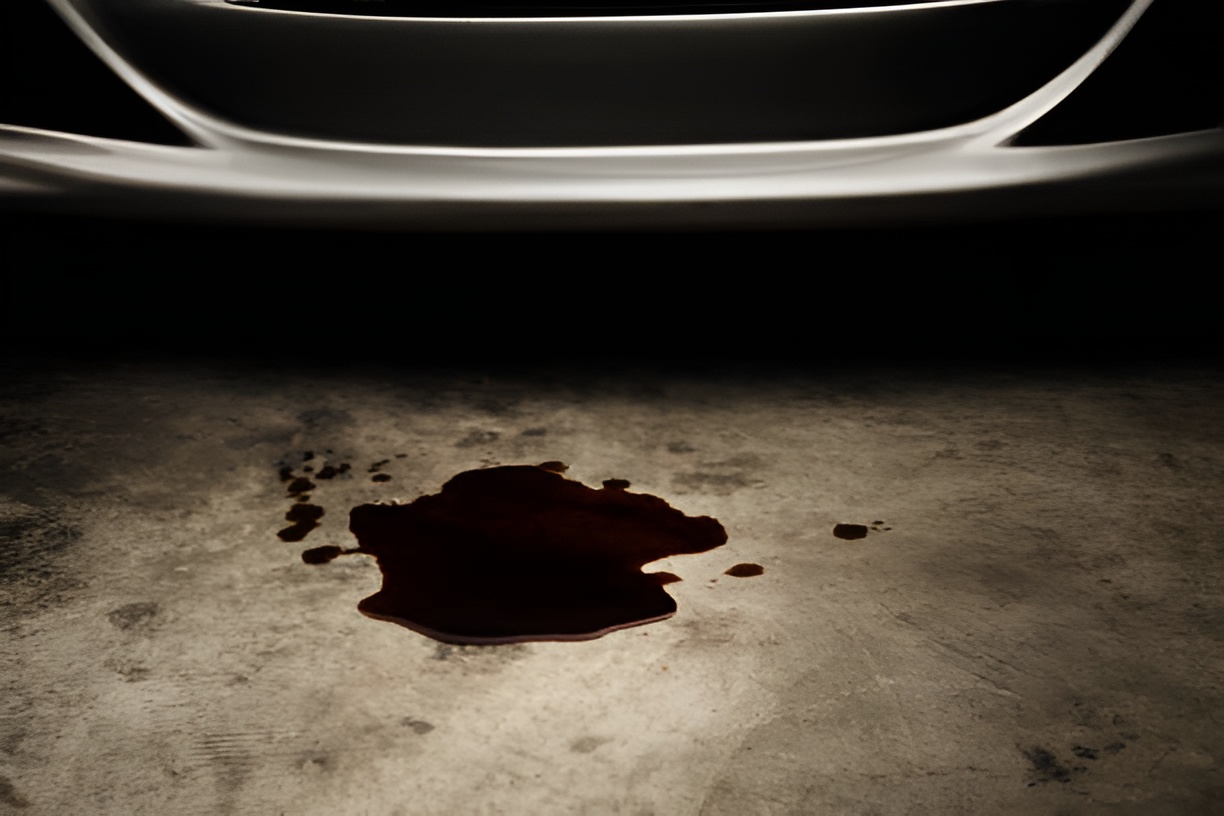

- Oil leaks can signal serious engine issues – Even small drips under your car when parked can indicate worn gaskets, seals, or other engine problems that need attention.
- Identify the type of fluid first – Not all puddles are oil; checking color, texture, and smell helps determine whether it’s engine oil, transmission fluid, coolant, or another system.
- Common causes include gaskets, oil filter, oil pan, and overfilled or old oil – Understanding these helps pinpoint the source of leaks more effectively.
- Proper diagnosis is key – Monitoring puddle patterns, checking oil levels, inspecting seals, and using UV dye can reveal the leak’s origin.
- Address leaks promptly – Driving with low oil can cause engine wear, overheating, or even fire risks, so timely repair or professional evaluation is crucial.
- Preventive maintenance reduces risk – Regular oil changes, checking gaskets and seals, proper filter installation, and monitoring engine performance can prevent leaks from developing or worsening.
Seeing a puddle under your car can be alarming, especially if it’s oil. A leak doesn’t always mean disaster, but understanding why your car is leaking oil when parked can save you from costly repairs and prevent bigger engine problems down the road. In this guide, we’ll break down what that puddle is really telling you, how to identify the source, and when you should worry.
Why Is Your Car Leaking Oil When Parked?
Oil leaks can happen for a variety of reasons. When a car is parked, the engine is off, and oil naturally settles at the lowest point. This is why a leak might become more noticeable when your car is sitting still. You might be asking yourself, “Why is my car leaking oil?” Understanding the possible causes can help you take action before serious damage occurs. Common causes include:
- Worn or damaged gaskets and seals
- Loose or improperly installed oil filter
- Cracked oil pan or other engine components
- Old or degraded oil
- Overfilled oil levels
If you notice oil under your car frequently, it’s important to take it seriously. Even small leaks can lead to low oil levels, which can cause engine damage over time.
How to Identify the Type of Leak
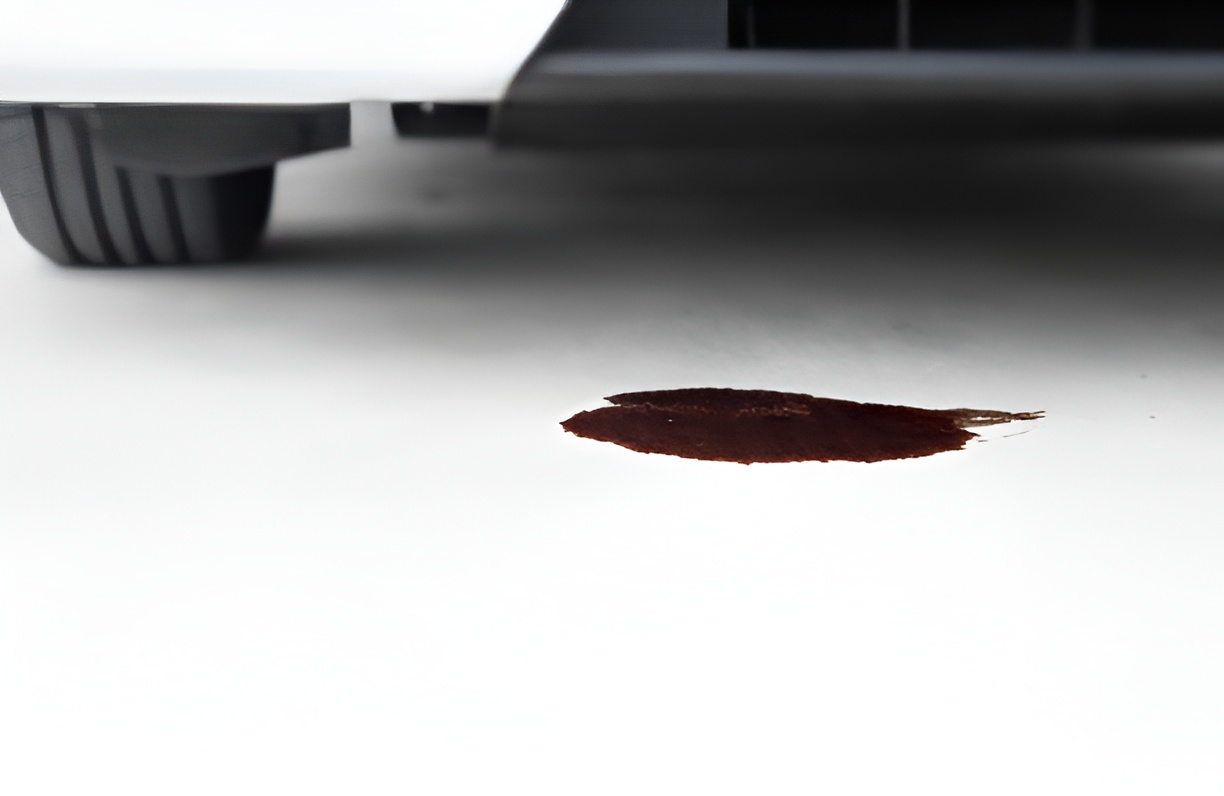
Before panicking, it’s important to figure out what kind of fluid is pooling under your vehicle. Not all fluids are oil, and identifying the correct type can save time and money.
Oil vs Other Fluids:
- Engine Oil: Usually brown or black, slippery, and has a distinct petroleum smell.
- Transmission Fluid: Red or pink, slightly thicker than oil.
- Coolant: Green, yellow, or orange, with a sweet smell.
- Brake Fluid: Clear to yellow, very slippery.
- Power Steering Fluid: Similar to transmission fluid, often reddish or amber.
By identifying the fluid correctly, you can better understand which system is leaking and whether it’s safe to drive.
Common Causes of Oil Leaks When Parked
1. Worn Gaskets and Seals
Gaskets and seals keep oil contained within the engine. Over time, heat, pressure, and age can cause them to crack or wear out, allowing oil to seep out.
- Valve cover gasket: Often causes leaks near the top of the engine.
- Oil pan gasket: Leaks underneath the car, usually forming a noticeable puddle.
- Rear main seal: Harder to spot, often results in oil near the transmission.
2. Loose or Damaged Oil Filter
If your oil filter isn’t installed properly or is damaged, oil can leak when the car is off. This can sometimes be a quick DIY fix if you catch it early.
3. Cracked or Damaged Oil Pan
Your oil pan is the lowest part of your engine, making it a common leak point. Hitting road debris or curbs can crack it, causing oil to drip when parked.
4. Overfilled or Old Oil
Too much oil can increase pressure in the engine, leading to leaks at weak points. Similarly, old, degraded oil loses viscosity, which can worsen existing leaks.
How to Diagnose the Source of the Leak
Finding the source of a leak can be tricky, but a systematic approach helps. Here’s how:
- Check Oil Level: Low oil levels indicate a leak or consumption issue.
- Clean the Engine: Wipe down areas where oil is present to see where it reappears.
- Look for Drip Patterns: Note where the puddle forms under the car.
- Use UV Dye: Automotive stores sell UV dye that can help pinpoint leaks with a UV light.
- Inspect Seals and Gaskets: Look for cracks, loose bolts, or worn areas.
- Check Oil Filter and Drain Plug: Make sure they are tight and in good condition.
Is It Safe to Drive With an Oil Leak?
This depends on the size of the leak and the amount of oil lost. Small drips may not immediately harm your engine, but they can worsen over time.
Consider these factors:
- Oil Level: Never drive if the oil is below the minimum mark.
- Engine Noise: Ticking or knocking sounds can indicate low oil pressure.
- Frequency of Leaks: Puddles appearing after every drive suggest a persistent issue.
Driving with low oil can cause severe engine damage, so it’s better to address the leak sooner rather than later.
How to Prevent Oil Leaks
Preventing leaks is easier than repairing major engine damage. Regular maintenance can save you time and money.
- Regular Oil Changes: Use the correct type and amount of oil for your car.
- Inspect Gaskets and Seals: Catch small cracks before they turn into leaks.
- Avoid Overfilling: Always check your owner’s manual for proper oil levels.
- Check Oil Filter Installation: Ensure filters are properly tightened after changes.
- Monitor Engine Performance: Unusual smoke, oil smells, or dashboard warnings can signal early problems.
When to Call a Mechanic
Some leaks are too complex to handle at home. Consider professional help if:
- You notice large puddles under your car frequently.
- The oil is dripping from the rear main seal or hard-to-reach areas.
- You see a sudden drop in oil level despite no obvious leaks.
- The engine exhibits strange noises or the oil pressure warning light comes on.
A mechanic can perform a pressure test and visually inspect hard-to-see areas to diagnose the problem accurately.
Cost of Repairing an Oil Leak
Oil leak repairs vary depending on the source:
- Gasket Replacement: $100-$400 depending on location and labor.
- Oil Pan Replacement: $150-$500.
- Rear Main Seal: $500-$1,200 (more labor-intensive).
- DIY Fixes: Replacing a gasket or tightening an oil filter can cost $20-$50 in parts.
Preventive maintenance reduces the likelihood of expensive repairs and keeps your engine running smoothly.
DIY vs Professional Repair
Some leaks are simple enough for DIY fixes:
- Tightening an oil filter or drain plug
- Replacing easily accessible gaskets
- Cleaning engine components to monitor minor drips
Professional repairs are recommended for:
- Rear main seal replacement
- Cracked oil pan repairs
- Complex gasket failures
- Leaks that persist despite DIY efforts
How Oil Leaks Affect Your Vehicle Long-Term
Ignoring oil leaks can have serious consequences:
- Engine Wear: Low oil leads to friction and premature wear.
- Overheating: Oil helps regulate engine temperature.
- Environmental Damage: Leaking oil contaminates soil and water.
- Fire Risk: In rare cases, oil leaks can ignite if they reach hot engine parts.
Catching leaks early helps prevent these issues.
Common Myths About Oil Leaks
- “A little leak is harmless.”
Even small leaks can deplete oil over time and lead to engine damage. - “All leaks come from the oil pan.”
Leaks can originate from many parts of the engine, not just the pan. - “You only need to top up oil.”
Topping up without fixing the leak only treats the symptom, not the cause.
How to Monitor Oil Leaks Effectively
Keeping an eye on leaks can prevent bigger problems:
- Place cardboard under the car overnight to check for drips.
- Note the color, size, and location of puddles.
- Track oil consumption using your car’s dipstick.
- Record any changes after maintenance or repairs.
Seasonal and Environmental Considerations
Oil leaks can appear more prominently in certain conditions:
- Cold Weather: Oil thickens, making leaks slower to appear, but once it warms up, puddles may be larger.
- Hot Weather: Thin oil can seep through smaller cracks, creating noticeable drips.
- Parking on Inclines: Leaks may appear at one corner due to gravity, even if the source is higher up.
Wrapping It Up
A car leaking oil when parked is rarely a trivial issue. While some leaks are minor and easy to fix, others may indicate serious engine problems. The key is early detection and proper diagnosis. Regular maintenance, careful observation, and knowing when to call a mechanic will help keep your engine healthy and prevent costly repairs.
Remember, that puddle under your car is more than just a mess—it’s a signal. Listen to it, investigate, and take action before a small drip turns into a major problem.