
Understanding how to effectively diagnose car brake issues is crucial for maintaining vehicle safety and performance. This article aims to walk you through the key areas of concern when it comes to brake problems, empowering you with the knowledge to identify and address these problems efficiently.
What Are the Common Signs of Brake Problems?
Unusual Noises
One of the most common indicators of brake problems is unusual noises emanating from the braking system. Squealing often occurs due to worn brake pads, while grinding sounds can signal a more severe issue that requires immediate attention.
Squealing sounds are typically caused by wear indicators on brake pads as they scrape against the rotor. In contrast, grinding noises may indicate the brake pads are completely worn down, causing metal-to-metal contact.
Addressing these noises promptly is vital to prevent further damage and ensure optimal braking performance. Operating a vehicle with such sounds can lead to costly repairs and compromise safety.
Changes in Pedal Feel
An effective brake system will provide a responsive pedal feel, giving the driver confidence in controlling the vehicle. A spongy or unresponsive brake pedal can be a sign of air in the brake lines or a brake fluid leak.
Changes in pedal feel typically require immediate investigation as they indicate underlying issues that could potentially lead to brake failure. Ensuring that the brake fluid is at the proper level and free from contaminants is essential for maintaining an effective braking system.
Diagnosing the root cause of pedal feel changes can involve checking for leaks or examining the brake booster for functionality. Addressing these issues is crucial for a safe driving experience.
How to Perform a Visual Inspection of Your Brakes?
Examining Brake Pads and Rotors
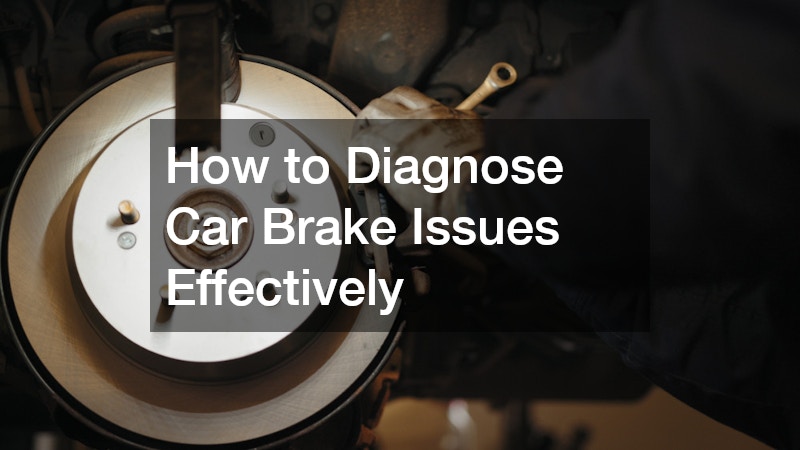
Visually inspecting your brake pads and rotors is a straightforward task that can reveal much about the status of your braking system. Look for signs of wear and tear, such as thinning pads or warped rotors.
Ensure that your brake pads have adequate material left to prevent metal-to-metal contact, which can cause further damage to the rotors. Rotors should be checked for smoothness and evenness, as grooves or warping may indicate excessive wear.
Regular visual checks of pads and rotors can help detect potential problems early, allowing you to address them before they escalate. This proactive approach can save both money and ensure safety.
Inspecting the Brake Lines and Fluid
Brake lines are essential for transmitting hydraulic pressure to activate the brakes, and a visual inspection can identify leaks or damage. Running your eyes along the lines for any signs of fluid leakage or visible damage can quickly highlight issues.
Brake fluid should be checked for cleanliness and proper level, as it is vital for proper function. Old or contaminated brake fluid can affect the performance of the braking system, leading to a spongy pedal feel.
Regular maintenance of brake lines and fluid not only ensures consistent brake performance but also extends the lifespan of the braking system. Ensuring the integrity of fluid and lines is crucial for vehicular safety.
When to Seek Professional Help?
Identifying Persistent Problems
Persistent brake problems despite attempts at troubleshooting may require the expertise of a professional. While many minor issues can be handled with DIY methods, some persistent problems may indicate deeper issues that need specialized attention.
If you experience continual issues such as noise, vibrations, or reduced braking performance, it’s wise to consult a professional mechanic. They possess the tools and expertise to diagnose and rectify complex problems efficiently.
Understanding when to seek help is crucial for both the safety and functionality of your vehicle. Professional evaluations ensure comprehensive solutions to braking issues.
Assessing Complex Brake System Components
Modern vehicles are equipped with advanced braking systems, incorporating features such as ABS and electronic components. These sophisticated systems require specialized knowledge to diagnose and repair.
Professional mechanics are trained to handle complex diagnostics and repair work on these systems, ensuring accuracy and precision. Attempting to fix such components without the necessary expertise can lead to further damage.
Trusting experts with the assessment of advanced brake components ensures that your braking system continues to operate at peak performance. This approach not only maintains safety but also preserves the integrity of modern technology within your vehicle.
Effectively diagnosing car brake issues involves both knowing common symptoms and conducting systematic inspections. While some problems can be resolved at home, it’s crucial to know the limits of DIY car brake repair and when to seek professional help. By staying vigilant and informed, you ensure your vehicle’s brakes function reliably, keeping you safe on the road.