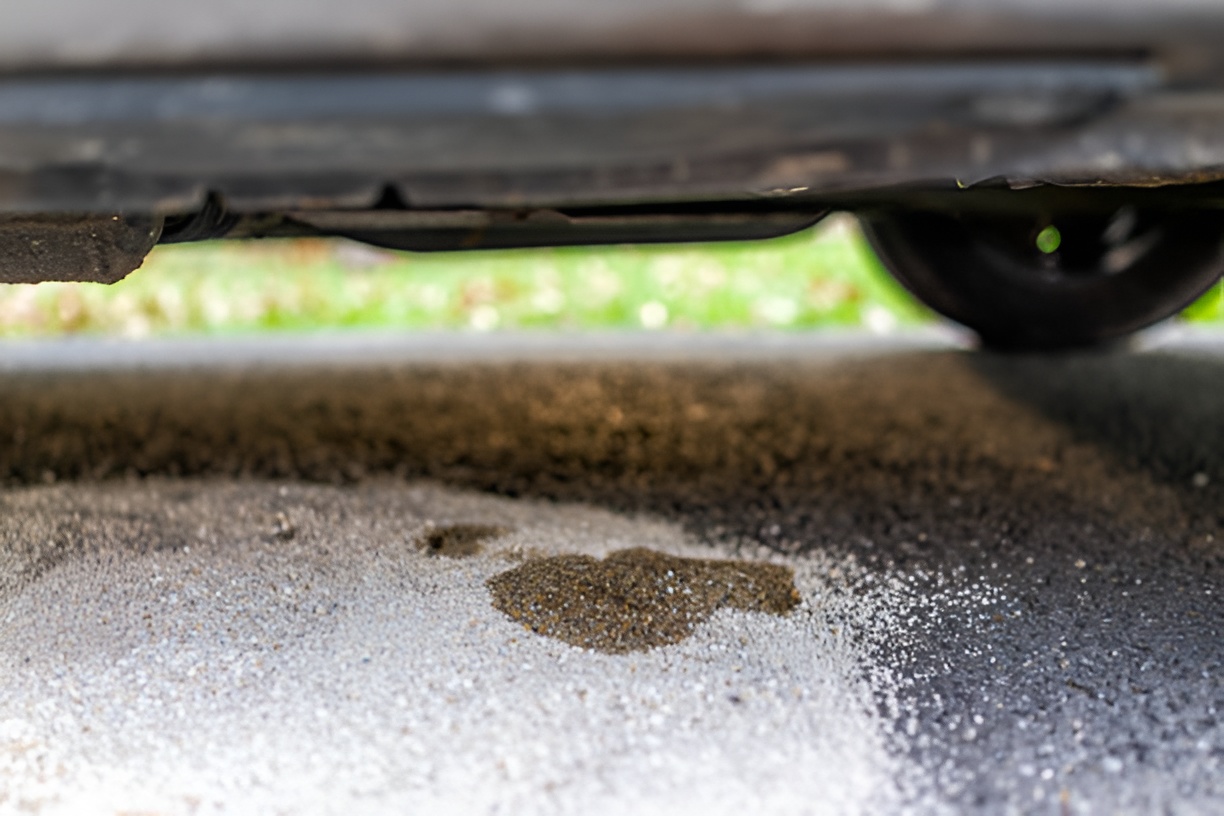

- Oil leaks should never be ignored, as even small drips can lead to engine overheating, internal damage, and costly repairs over time.
- The most common signs of an oil leak include puddles under the car, burning smells, blue or gray exhaust smoke, and oil levels dropping faster than normal.
- Worn gaskets and seals, loose oil filters, damaged oil pans or drain plugs, and aging oil lines are the leading causes of engine oil leaks.
- Serious issues like cracked engine blocks or faulty PCV valves can also cause oil leaks and typically require professional diagnosis and repair.
- Proper diagnosis starts with cleaning the engine, inspecting common leak areas, monitoring oil levels, and using tools like UV dye to pinpoint hidden leaks.
- Regular maintenance—such as timely oil changes, using the correct oil type, and inspecting seals and gaskets—can significantly reduce the risk of oil leaks.
- Knowing when to attempt a DIY fix versus calling a mechanic can prevent further damage and save money in the long run.
If you’ve noticed a puddle forming under your car or a burning smell when you drive, chances are your vehicle is leaking oil. Oil leaks are one of the most common car issues, and while some may seem minor, ignoring them can lead to serious engine damage. In this guide, we’ll break down why your car might be leaking oil, the common causes, and how you can diagnose the problem before it becomes expensive.
What Happens When Your Car Leaks Oil?
Oil isn’t just a lubricant for your engine; it also keeps everything running smoothly and cool. When your car starts losing oil, several problems can occur:
- Reduced engine lubrication leading to friction and overheating.
- Damage to engine components like pistons, bearings, and valves.
- Smoke or burning smell coming from the engine or exhaust.
- Potential environmental hazards from oil dripping on roads or driveways.
Noticing oil leaks early can save you hundreds or even thousands in repairs, so it’s important to understand the causes and how to identify them.
How to Know If Your Car Is Leaking Oil

Before we dive into why your car is leaking oil, it’s important to confirm that oil is actually the issue and not another fluid. Oil leaks can be subtle at first, but there are several reliable ways to spot them early.
Check Under Your Vehicle:
One of the most obvious signs is a puddle or stain beneath your car after it’s been parked for a while. Engine oil is typically dark brown or black and feels slick between your fingers. If the stain is closer to the front of the vehicle, it often points to an engine-related leak rather than transmission or differential fluid. Fresh oil usually appears lighter, while older oil looks darker and thicker.
Inspect the Engine Bay:
Open the hood and look closely around the engine components. Oil leaks often leave behind wet, shiny residue or thick grime buildup around gaskets, hoses, or seals. Pay extra attention to the valve cover area, oil filter housing, and the bottom edges of the engine. In some cases, oil may drip onto hot engine parts, creating a burnt smell or faint smoke.
Monitor Oil Levels:
Check your dipstick regularly, especially if you suspect a leak. If your oil level drops noticeably between oil changes without obvious smoke or warning lights, oil is likely escaping somewhere. Consistently topping off oil is a strong sign of a leak, even if you don’t see visible puddles.
Look for Smoke:
Blue or gray smoke coming from the exhaust often means oil is burning inside the engine. Smoke rising from under the hood may indicate oil dripping onto hot exhaust components. Either scenario suggests a leak that should be addressed quickly to prevent engine damage.
Keeping an eye on these signs is the first step in diagnosing the problem and avoiding more serious repairs down the road.
Common Causes of Oil Leaks
Understanding the reasons behind oil leaks will help you pinpoint the issue more accurately. Oil leaks don’t happen randomly; they usually develop as parts wear out, loosen, or become damaged over time.
1. Worn Out Gaskets and Seals
Gaskets and seals are designed to keep oil contained within the engine, but they’re constantly exposed to heat, pressure, and vibration. Over time, these materials harden, crack, or shrink, allowing oil to seep through.
- Valve Cover Gasket: Located at the top of the engine, this gasket seals the valve cover to the cylinder head. When it fails, oil often leaks down the sides of the engine and may drip onto exhaust components, causing smoke or a burning smell.
- Oil Pan Gasket: Positioned between the oil pan and the engine block, this gasket can degrade or get damaged by road debris. Leaks here usually leave noticeable oil puddles under the vehicle.
- Front and Rear Main Seals: These seals sit around the crankshaft and are responsible for keeping oil inside the engine as the crankshaft rotates. When they fail, leaks can be significant and often worsen quickly.
Replacing worn gaskets and seals is one of the most common and effective ways to fix oil leaks.
2. Loose or Damaged Oil Filter
The oil filter plays a critical role in keeping engine oil clean, but it can also be a source of leaks if it’s not installed correctly. A filter that’s too loose, cross-threaded, or missing its gasket can allow oil to escape under pressure.
Signs of a leaking oil filter include:
- Oil collecting around the filter housing.
- Fresh oil dripping shortly after an oil change.
Ensuring the filter is tightened properly and that the old gasket isn’t stuck to the engine can prevent this problem.
3. Faulty Oil Pan or Drain Plug
The oil pan sits at the bottom of the engine and is exposed to road hazards. Leaks often develop due to physical damage or improper maintenance.
Oil pan or drain plug leaks can occur if:
- The oil pan cracks after hitting debris or a curb.
- The drain plug is loose or its washer is worn out.
- Over-tightening strips the drain plug threads, preventing a proper seal.
Checking these components after every oil change can help catch problems early.
4. Cracked Engine Block or Cylinder Head
Although rare, cracks in the engine block or cylinder head can cause severe oil leaks. These cracks often result from extreme overheating, manufacturing defects, or severe mechanical stress.
Signs of a cracked engine component include:
- Oil mixing with coolant, creating a milky or foamy fluid.
- Heavy smoke from the engine or exhaust.
- Persistent leaks even after replacing gaskets or seals.
Cracked engine parts typically require professional repair or full replacement.
5. Worn or Broken Oil Lines
Many vehicles use oil lines to transport oil to components like turbochargers or oil coolers. These lines are vulnerable to heat, pressure, and vibration.
Oil line leaks can happen when:
- Rubber hoses crack or become brittle with age.
- Metal lines corrode or loosen at connection points.
- Road debris damages exposed lines.
Regular inspections can help identify weakened lines before they fail completely.
6. PCV Valve Issues
The Positive Crankcase Ventilation (PCV) valve helps regulate internal engine pressure. When it becomes clogged or malfunctions, pressure builds up inside the engine and forces oil past gaskets and seals.
Common signs of PCV-related oil leaks include:
- Increased oil consumption without visible leaks.
- Oil residue around the valve cover.
- Rough idling or reduced engine performance.
Maintaining the PCV system is a simple but often overlooked way to prevent oil leaks.
How to Diagnose an Oil Leak
Diagnosing an oil leak takes patience and a systematic approach. Rushing the process can cause you to miss the true source of the problem.
Step 1: Clean the Engine
Oil spreads easily, making it hard to identify where a leak starts. Using an engine degreaser to clean off old oil and grime gives you a fresh baseline. After cleaning, run the engine and check again to see where new oil appears.
Step 2: Inspect Common Leak Areas
Carefully examine these areas:
- Valve cover gasket
- Oil pan and drain plug
- Oil filter housing
- Crankshaft seal areas
- Oil lines and hoses
Use a flashlight and check from multiple angles, especially underneath the vehicle if possible.
Step 3: Use UV Dye
UV dye is one of the most accurate ways to locate oil leaks:
- Add automotive UV dye to the engine oil.
- Run the engine for 10–15 minutes or drive briefly.
- Shine a UV light over suspected areas; leaking oil will glow clearly
This method is especially helpful for slow or hidden leaks.
Step 4: Monitor Oil Levels and Fluid Color
Track your oil level daily or every few drives. A sudden drop points to an external or internal leak. Milky or foamy oil suggests coolant contamination, which requires immediate attention.
Step 5: Check Engine Performance
Oil leaks often come with performance symptoms, such as:
- Engine overheating due to reduced lubrication.
- Knocking or ticking sounds from low oil levels.
- Smoke from the exhaust or engine bay.
These signs usually indicate a more serious leak that shouldn’t be ignored.
How to Prevent Oil Leaks
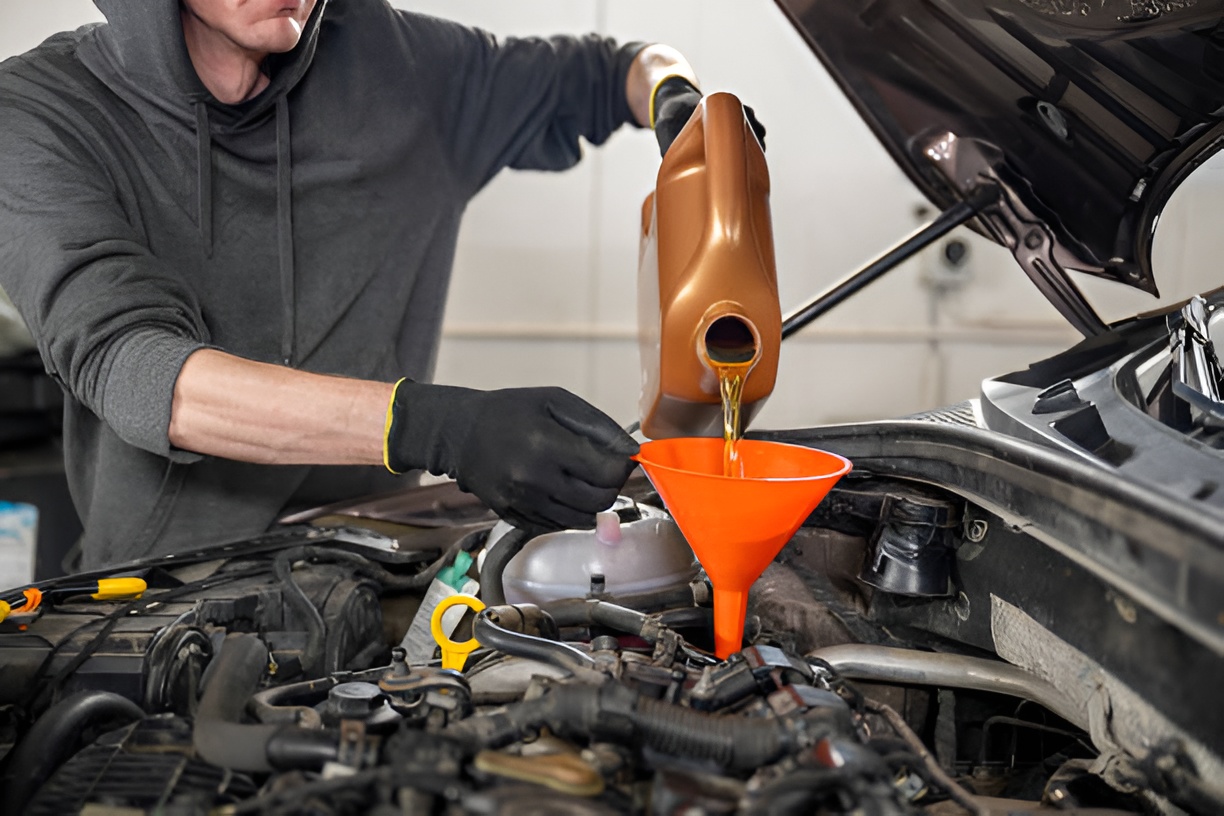
While not all oil leaks are preventable, good maintenance significantly reduces the risk.
- Regular Oil Changes: Fresh oil helps protect seals and gaskets from drying out.
- Use the Right Oil: Incorrect viscosity can increase pressure and worsen leaks.
- Inspect Seals and Gaskets: Catching wear early prevents sudden failures.
- Avoid Engine Overheating: Excess heat accelerates gasket and seal breakdown.
- Tighten Filters and Plugs Properly: Correct torque prevents both leaks and damage.
Preventative care is one of the simplest ways to avoid costly engine repairs and keep your car running reliably.
When to Call a Mechanic
Some leaks are easy to fix at home, but others require professional attention. Call a mechanic if you notice:
- Large puddles of oil forming rapidly.
- Smoke or burning smell from the engine.
- Oil mixing with coolant.
- Engine performance issues after an attempted DIY fix.
A professional can accurately identify the source and prevent further damage.
DIY Fixes vs Professional Repairs
Depending on the cause, you might be able to handle small leaks yourself:
- DIY: Tightening a loose filter, replacing a drain plug gasket, or cleaning and replacing minor hoses.
- Professional Repairs: Valve cover gasket replacement, oil pan repair, crankshaft seal replacement, or engine block repairs.
Always weigh the cost, your skill level, and the potential risk to the engine before attempting a DIY fix.
Common Myths About Oil Leaks
It’s easy to fall for misconceptions about oil leaks. Here are some common myths:
- “A little leak is harmless.” Even small leaks can lead to engine damage over time.
- “Only old cars leak oil.” Newer cars can leak too, especially after improper maintenance.
- “Adding stop-leak products fixes everything.” These products may temporarily reduce leaks but often don’t solve the underlying issue.
Understanding the truth can save you time and money.
FAQs About Car Oil Leaks
Q: Can a car run with a small oil leak?
A: Technically, yes, but it’s risky. Low oil levels can damage the engine quickly.
Q: How long can I drive with an oil leak?
A: It depends on the severity, but driving with a significant leak is dangerous. Monitor levels closely and address leaks promptly.
Q: Does high mileage cause oil leaks?
A: Often, yes. Wear and tear on seals, gaskets, and engine components increases the risk.
Q: Are synthetic oils better for preventing leaks?
A: Synthetic oils may flow better and reduce some leaks, but they don’t prevent seal or gasket failure.
Final Thoughts
If you’ve ever asked yourself, “why is my car leaking oil?” you now know it can stem from several causes, from worn gaskets to damaged components. Diagnosing the leak early and taking the right steps—whether DIY fixes or professional repairs—can save you money, protect your engine, and keep your car running reliably.
Regular maintenance, careful observation, and timely intervention are the keys to preventing minor oil leaks from turning into major engine problems. Keep an eye on your car, know the signs, and don’t ignore even small drips—they could be a warning sign your engine is asking for attention.