
Owning a vehicle is a long-term investment, and how you maintain it directly impacts its reliability, performance, and overall lifespan. Regular inspections, preventative maintenance, and informed repairs can prevent small issues from turning into costly problems. By understanding how to care for your vehicle’s engine, suspension, brakes, and exterior, you can extend its operational life and maintain resale value. This guide provides practical, actionable tips for drivers of cars, trucks, motorcycles, and heavy-duty vehicles.
Improving Suspension and Load Management
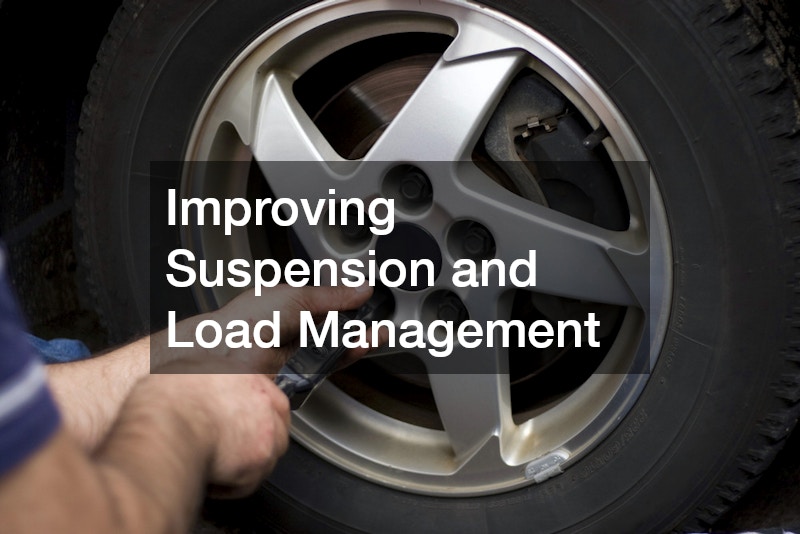
Suspension systems play a critical role in ride comfort, handling, and safety. For vehicles that carry heavy loads or navigate rough terrain, proper suspension maintenance is essential. If your vehicle has been modified with a truck lift kit, there are additional considerations that affect both longevity and performance.
Key tips for suspension care include:
- Alignment checks: After installing a lift kit or adjusting suspension, ensure wheel alignment is accurate to prevent uneven tire wear.
- Load distribution: Avoid overloading one side of the vehicle, which can stress suspension components and accelerate wear.
- Lubrication: Grease ball joints, control arms, and other moving parts as recommended by the manufacturer.
A properly maintained suspension system not only improves safety but also reduces stress on tires, steering, and drivetrain components, extending overall vehicle lifespan. Lift kits can provide enhanced clearance and off-road capability, but without careful maintenance, they can increase wear on steering components and brake lines. Regular attention ensures the modifications improve performance rather than create additional problems.
Evaluating and Using Replacement Components Wisely
When parts wear out or fail, replacing them with quality components is essential for maintaining performance. Many drivers consider using used car parts or aftermarket auto parts, which can be cost-effective but require careful evaluation to ensure reliability.
Tips for selecting replacement components:
- Check compatibility: Ensure parts match your vehicle’s make, model, and year.
- Inspect for wear: Even refurbished components should be free from damage, rust, or cracks.
- Verify certifications: Look for warranties or OEM approvals when using recycled or aftermarket parts.
- Prioritize critical systems: Focus on brakes, suspension, and drivetrain components for safety and longevity.
Used or recycled parts can significantly reduce costs and environmental impact while performing well if carefully sourced. For instance, a high-quality alternator, starter, or sensor from a reputable supplier can last as long as new parts. Integrating dependable replacement components into your regular maintenance plan ensures your vehicle remains reliable without sacrificing safety.
Maintaining Heavy-Duty Vehicles for Long-Term Performance
Heavy-duty trucks and diesel-powered vehicles require specialized maintenance to ensure longevity. Whether hauling loads for work or traveling long distances, proactive care prevents costly breakdowns. Regular heavy duty truck repairs and diesel repairs are essential to keep engines, transmissions, and other critical systems in peak condition.
Key maintenance strategies for heavy-duty vehicles:
- Frequent oil changes: Diesel engines rely on clean oil to prevent buildup and wear.
- Turbocharger care: Inspect and maintain turbo systems to prevent costly failures.
- Fuel system checks: Replace fuel filters and monitor injectors to maintain efficiency.
- Cooling system maintenance: Prevent overheating by keeping radiators, hoses, and coolant at optimal performance.
- Suspension and brake inspections: Ensure commercial loads do not overstrain components.
Preventative care for diesel and heavy-duty vehicles reduces downtime, maintains fuel efficiency, and protects expensive components. Keeping detailed maintenance logs and scheduling regular professional inspections ensures any small issues are addressed before they escalate into major repairs.
Ensuring Braking Systems Stay Reliable
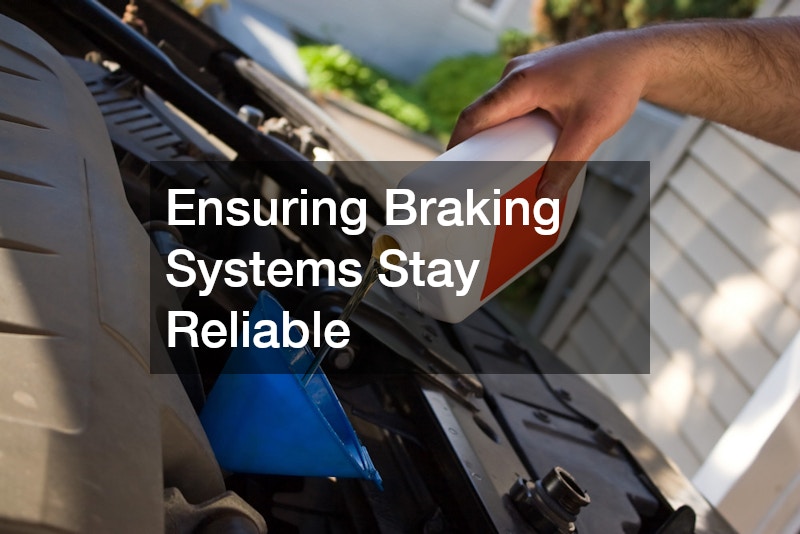
The braking system is one of the most critical safety features of any vehicle. Regular brake service ensures your vehicle stops reliably and reduces the risk of accidents, as well as long-term damage to wheels, tires, and suspension.
Tips for maintaining braking systems:
- Inspect pads and rotors: Replace worn components before they damage other parts.
- Check brake fluid: Maintain proper levels and flush fluids periodically to prevent contamination.
- Monitor for unusual sounds: Squealing or grinding can indicate worn pads or warped rotors.
- Drive gently: Avoid excessive hard braking to prolong component life.
Proper brake maintenance protects not only your safety but also the structural integrity of the braking system. For vehicles with heavy loads or commercial applications, regular brake inspections and service prevent strain that could lead to premature failure.
Choosing a Trustworthy Repair Facility
Selecting the right auto repair shop is one of the most important decisions for long-term vehicle care. A reputable, skilled facility does more than fix problems—it provides guidance, expertise, and preventative strategies that help your vehicle remain safe, efficient, and reliable over many years. Choosing the right shop ensures that maintenance is performed correctly, using proper tools, techniques, and high-quality parts, which reduces the risk of repeat issues or premature component failure.
Key factors to consider when choosing a repair shop include:
- Certifications: ASE (Automotive Service Excellence) or manufacturer-certified technicians demonstrate that the staff has the training and knowledge to work on your specific vehicle correctly.
- Experience with your vehicle type: Whether you drive a car, heavy-duty truck, or motorcycle, ensure the shop has expertise with your vehicle type. Specialized knowledge often prevents mistakes and ensures optimal performance.
- Transparent pricing: A trustworthy shop provides clear estimates, explains recommended services, and avoids unnecessary upsells. Transparency fosters trust and helps you plan for maintenance costs.
Building a relationship with a trusted facility for car or diesel repairs provides peace of mind, knowing your vehicle is in capable hands. Reliable shops not only repair problems but also educate owners about maintenance, monitor recurring issues, and use high-quality replacement parts. Over time, this consistent, professional approach helps preserve the vehicle’s performance, safety, and resale value, ensuring it remains dependable for years. By investing in a reputable repair shop, owners save money in the long run while protecting their vehicle from avoidable damage.
Managing Body Work and Exterior Repairs
The vehicle’s exterior serves a crucial role beyond mere aesthetics—it acts as the first line of defense for structural components against corrosion, moisture, and physical damage. Regular local auto body repairs are essential for maintaining the integrity of panels, seams, and joints, as even minor dents or scratches can allow water and road salt to penetrate the metal, leading to rust that spreads over time. Neglecting these issues can result in costly repairs and compromised safety, especially in high-stress areas like the undercarriage and wheel wells.
Tips for maintaining the exterior include:
- Address dents and scratches promptly: Even small imperfections can trap moisture, accelerating corrosion. Quick repairs prevent rust from forming beneath paint layers.
- Use protective coatings: Wax, ceramic coatings, and sealants create barriers against UV rays, acid rain, and road chemicals, preserving paint and metal beneath.
- Inspect for rust: Pay close attention to wheel wells, undercarriage, seams, and any exposed metal areas. Early detection allows for easier and less expensive repairs.
Consistently addressing cosmetic and structural issues not only enhances appearance but also protects long-term vehicle health. Small repairs, when performed promptly, extend the life of body panels, reduce corrosion, and maintain resale value. In addition, maintaining the exterior preserves the integrity of underlying components, such as wiring, suspension mounts, and frame sections, ultimately contributing to safer, more reliable operation. By treating the exterior as a critical component of overall vehicle care, owners safeguard both function and aesthetics while reducing the likelihood of expensive, extensive body repairs in the future.
Addressing Emergency Situations and Vehicle Recovery
Breakdowns, accidents, or off-road incidents can happen at any time, often when you least expect them. Having a plan in place and knowing who to call can make the difference between a manageable repair and extensive, costly damage. Partnering with a reliable towing company ensures your vehicle is transported safely, reducing the risk of further harm to critical systems such as the suspension, drivetrain, or electrical components. This is especially important for vehicles with aftermarket modifications, heavy-duty trucks, or specialty equipment, where improper handling during towing can cause significant damage.
Key tips for emergency preparedness include:
- Have a roadside kit: Equip your vehicle with basic tools, jumper cables, a first aid kit, reflective triangles, and emergency lighting to handle minor incidents safely while waiting for help.
- Know your towing options: Research towing companies in your area and select one experienced with your vehicle type, whether it’s a standard car, heavy-duty truck, or motorcycle.
- Minimize damage during towing: Whenever possible, use flatbed services or ensure proper tie-downs and wheel lifts to avoid stress on axles, frames, or aftermarket modifications.
- Document the incident: Take photos and notes of the situation, vehicle condition, and surrounding environment. These records are essential for insurance claims, repair estimates, and preventing disputes over damage.
Proper emergency planning not only minimizes additional repair costs but also protects your vehicle’s longevity. Quick, professional response ensures that sensitive systems remain intact, and your vehicle can return to operation safely and efficiently. By preparing in advance, you can face unexpected incidents with confidence, knowing that your vehicle is supported by reliable services and preventive measures that preserve both safety and performance.
Caring for Specialty Vehicles and Recreational Machines
Motorcycles and recreational vehicles require specialized maintenance due to their unique engineering and operating conditions. Unlike standard cars, motorcycles and RVs often experience higher RPMs, exposure to the elements, and increased vibration, all of which can accelerate wear on critical components. For instance, Harley motorcycle repair involves specific procedures for engine tuning, brake adjustments, and drivetrain care that are essential for both performance and rider safety. Neglecting these details can lead to decreased efficiency, costly repairs, or even safety hazards.
Maintenance tips for motorcycles and specialty vehicles include:
- Regular oil and fluid changes: Proper lubrication is vital for air-cooled and liquid-cooled engines, protecting against friction, overheating, and premature wear. Use manufacturer-recommended oils and fluids to maintain optimal performance.
- Brake inspections: Examine pads, discs, calipers, and fluid levels before each riding season to ensure responsive braking and prevent accidents.
- Chain and belt care: Maintain correct tension, clean thoroughly, and lubricate regularly to prevent stretching or failure, which can damage the drivetrain.
- Storage preparation: When not in use, cover vehicles, stabilize fuel, and protect them from moisture and temperature extremes to prevent corrosion and deterioration of mechanical parts.
Working with a skilled motorcycle mechanic or specialty repair shop ensures that repairs and adjustments are performed correctly, using proper tools and OEM-approved parts. Routine inspections and preventative maintenance help identify minor issues before they become major problems, preserving engine integrity, frame stability, and ride quality. By giving these vehicles consistent, specialized care, owners can extend their lifespan, maintain peak performance, and enjoy a safer, smoother riding experience for years to come.
Preventative Measures and Regular Maintenance Scheduling
Developing a proactive maintenance schedule is one of the most effective ways to extend a vehicle’s lifespan. Establishing regular intervals for inspections and service helps prevent minor issues from turning into costly repairs, while ensuring the vehicle operates at peak performance. Using high-quality auto parts for replacements further enhances reliability, reduces the likelihood of premature failures, and ensures that the vehicle maintains its original performance standards.
Tips for preventative maintenance include:
- Oil and filter changes: Adhering to manufacturer-recommended intervals and using the proper oil type preserves engine components and prevents sludge buildup.
- Fluid checks: Regularly inspect transmission, coolant, brake, and power steering fluids to maintain smooth operation and prevent overheating or system failure.
- Tire maintenance: Rotating, balancing, and aligning tires prevents uneven wear, enhances fuel efficiency, and improves handling.
- Component inspections: Routinely check belts, hoses, electrical systems, and suspension parts for signs of wear, cracking, or leaks.
Keeping a written log of all repairs and scheduled maintenance allows you to identify recurring issues, plan for upcoming services, and maintain a comprehensive record that is helpful for warranty claims or resale. Proactive maintenance also encourages timely updates to critical components, such as timing belts or brake lines, before they fail. Over time, this structured approach reduces repair costs, improves fuel efficiency, preserves safety, and ensures that the vehicle continues to operate reliably for years, providing both peace of mind and long-term value.
Extending a vehicle’s lifespan requires a combination of regular inspections, preventative maintenance, and informed repair decisions. From suspension and brakes to bodywork and specialty vehicles, proactive care minimizes breakdowns, improves safety, and reduces long-term costs. By maintaining components thoughtfully, choosing quality parts, and working with trusted professionals, vehicle owners can enjoy reliable performance for years while protecting their investment.