Maintaining a vehicle is about more than just keeping it running—it’s about safety, longevity, and protecting your investment. When problems arise, choosing the right repair provider can make all the difference in both quality and cost. Local auto repair companies often provide a personalized, reliable experience that larger chains can’t match.
From routine maintenance to complex repairs, having a trusted provider nearby ensures convenience, quicker turnaround times, and a level of care that comes from building a relationship with your mechanic. In this guide, we’ll explore actionable tips and strategies for selecting a local auto repair company and maximizing the benefits they offer.
How to Evaluate the Reputation of a Local Auto Repair Company
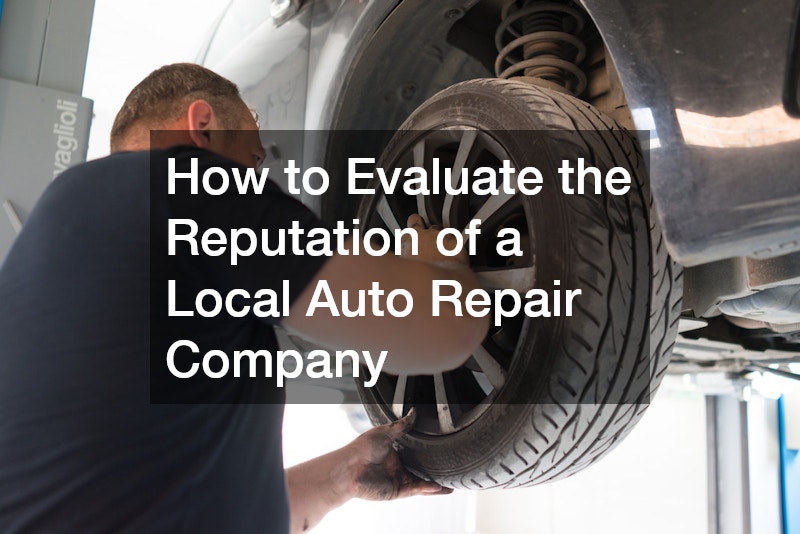
When choosing a local auto repair company, reputation is key. A trustworthy provider not only delivers quality work but also offers transparency and excellent customer service. Here are practical ways to evaluate a shop’s reputation:
- Check Online Reviews: Sites like Google, Yelp, and Better Business Bureau can reveal patterns in customer experiences. Look for consistency in positive feedback rather than focusing on a single review.
- Ask for Recommendations: Friends, family, and coworkers can provide firsthand accounts of their experiences with local shops.
- Inspect the Facility: Visit the shop to assess cleanliness, organization, and the professionalism of staff. A well-kept shop is often a sign of careful work.
- Ask About Service Guarantees: Reputable shops often provide warranties or guarantees on their repairs, which shows confidence in their work.
By taking these steps, you ensure that the local auto repair company you choose is reliable and committed to high-quality service.
Finding a Skilled and Reliable Mechanic
A vehicle is only as good as the mechanic who maintains it. Ensuring your auto mechanic has the right skills and experience can save you from costly mistakes and recurring issues.
Tips for finding a skilled mechanic:
- Certifications Matter: Look for ASE-certified mechanics or equivalent qualifications. Certification ensures standardized knowledge and expertise.
- Specializations: Some mechanics specialize in certain makes, models, or types of repairs. Ensure your mechanic has experience with the services you need.
- Ask Questions: Don’t hesitate to ask detailed questions about your vehicle’s issues. A knowledgeable mechanic should explain the problem and solution clearly.
- Observe the Work: If possible, watch the mechanic in action or ask for examples of previous work. Transparency is a good sign.
A skilled auto mechanic not only fixes immediate problems but also provides guidance on preventative care to extend your vehicle’s lifespan.
Cost-Saving Strategies When Maintaining Your Vehicle
Regular maintenance and repairs don’t have to break the bank. By strategically working with a local auto repair company, you can save money while keeping your vehicle in top condition.
Strategies to reduce costs:
- Compare Estimates: Always get multiple estimates for major repairs. Understanding the breakdown of labor and parts costs helps avoid overpaying.
- Preventative Maintenance: Routine checks for oil, brakes, fluids, and tires prevent small issues from becoming expensive problems.
- Emergency Savings: Choosing a local shop reduces towing costs and allows for faster response times in emergencies.
- Trade-In or Junk Car Sales: When a vehicle reaches the end of its useful life, a local provider can guide you through junk car sales or trade-in options, maximizing your return.
Working with a local provider ensures you receive both personalized advice and competitive pricing for all services.
Protecting Your Vehicle After a Collision

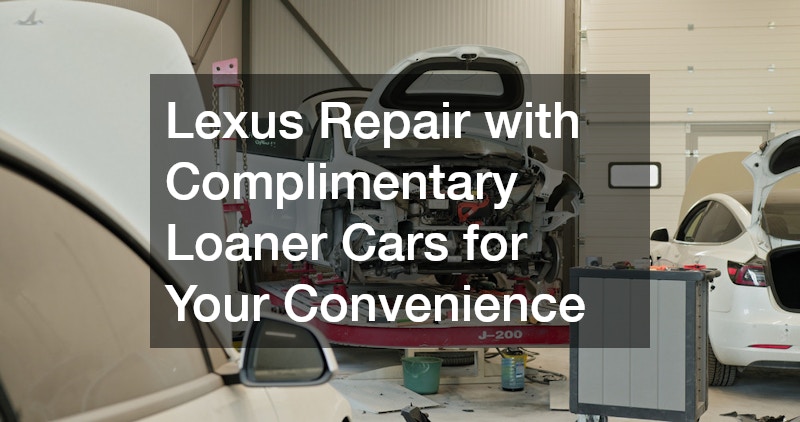
Accidents happen, and knowing how to navigate auto collision repair can make a stressful situation much more manageable.
Tips for handling post-collision repairs:
- Choose a Trusted Shop: Local auto repair companies often have strong reputations in the community and maintain relationships with insurance companies.
- Document Damage: Take photos and notes of all affected areas to provide a clear record for repair and insurance purposes.
- Understand Repair Options: A quality auto body service provider can advise whether certain parts can be repaired or need replacement.
- Prioritize Safety: Ensure all repairs meet manufacturer specifications, particularly for structural or safety-critical components.
By selecting a local company for auto collision repair, you benefit from faster service, personalized attention, and accountability that larger chains may lack.
Ensuring Your Windows and Glass Are in Top Condition
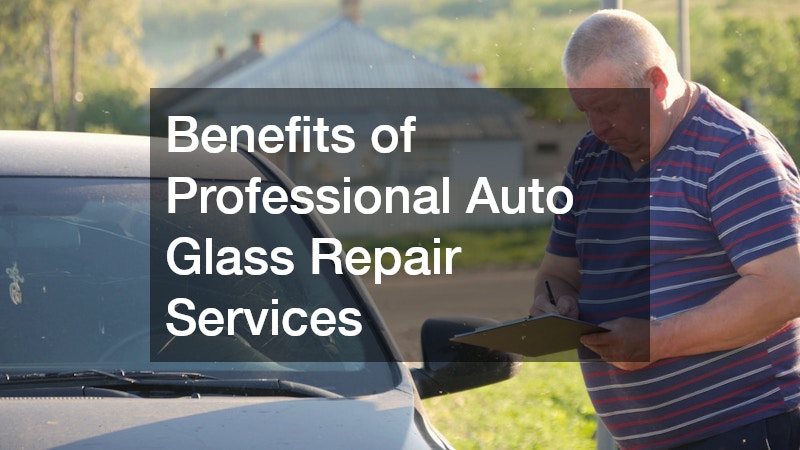
Vehicle windows and glass are critical for visibility and safety. Whether you need a small repair or full replacement, working with the right provider ensures lasting results.
Key tips for glass maintenance:
- Timely Car Window Replacement: Don’t wait for cracks or chips to worsen; small issues can often be repaired rather than replaced.
- Trust a Specialized Auto Glass Company: Experienced technicians can properly align and seal windows to prevent leaks or drafts.
- Inspect Regularly: Check for chips, scratches, or damage from debris, and address problems promptly.
- Consider Protective Films: Window tints or protective coatings can reduce glare, prevent shattering, and enhance privacy.
Choosing a local auto glass company provides rapid service and personalized attention, ensuring your vehicle’s windows remain safe and functional.
Enhancing Your Vehicle with Accessories and Customizations
Upgrading your vehicle isn’t just about aesthetics; it can improve utility, safety, and performance. Local shops often provide tailored solutions for adding truck accessories or other customizations.
Tips for successful upgrades:
- Select Quality Accessories: Ensure that accessories like bed liners, roof racks, or lighting kits meet manufacturer specifications.
- Professional Installation: Local providers can install accessories properly to avoid damage or performance issues.
- Check Warranty Implications: Some modifications may impact warranties—confirm this with your mechanic.
- Consider Functionality: Choose upgrades that improve daily convenience, such as towing enhancements or all-weather protection.
By relying on a local provider for installation, you gain personalized recommendations and professional service for every accessory.
Extending Vehicle Lifespan Through Preventative Care

Preventative care is one of the most cost-effective ways to maintain a vehicle. By identifying problems early, you can avoid major repairs and extend the life of your car.
Practical tips:
- Routine Checks: Inspect fluids, brakes, tires, and belts regularly.
- Scheduled Maintenance: Follow manufacturer-recommended service intervals for oil changes, filter replacements, and tune-ups.
- Protective Coatings: Car ceramic coating can reduce wear on paint and make cleaning easier.
- Address Minor Issues Promptly: Strange noises, vibrations, or warning lights should be investigated immediately.
Local auto repair services can provide tailored maintenance schedules and timely interventions, helping your vehicle stay in excellent condition for years.
When It Makes Sense to Sell or Trade Your Vehicle
Not every vehicle is worth repairing indefinitely. Knowing when to sell or recycle your car is critical for both financial sense and safety. Continually investing in an older or heavily damaged vehicle can quickly become more expensive than purchasing a replacement, and ongoing mechanical issues may compromise your safety on the road. By assessing your options carefully, you can make a decision that saves money and ensures peace of mind.
Guidelines to consider:
- Evaluate Repair Costs vs. Vehicle Value: Begin by comparing the estimated cost of needed repairs to the vehicle’s current market value. Major repairs, such as engine or transmission replacement, or repeated collision repairs, can easily surpass the car’s worth. If the repair costs approach or exceed the resale value, selling or recycling may be a smarter option.
- Explore Junk Car Sales: Many local buyers specialize in purchasing vehicles that no longer run efficiently. Junk car sales often offer fair prices for cars that would otherwise cost more to maintain than they’re worth. This can provide immediate cash while responsibly recycling your vehicle.
- Consider Trade-Ins: Local dealerships may provide trade-in credits toward a new or gently used vehicle. This can simplify the buying process and reduce the upfront cost of your next car. Even vehicles with cosmetic or minor mechanical issues may still have trade-in value.
- Account for Safety: Vehicles with recurring mechanical, electrical, or structural issues can pose serious safety risks. If a car frequently breaks down, experiences brake or steering problems, or has persistent frame damage, selling it may be the safest choice.
Protecting Your Vehicle’s Appearance and Value
The way your vehicle looks directly impacts its resale value and overall longevity. Cosmetic care goes hand-in-hand with structural and mechanical maintenance, as well-kept exteriors not only look appealing but also help prevent long-term damage. A car that is regularly maintained in appearance often commands a higher resale price and can avoid problems like rust, paint fading, or weakened body panels.
Practical tips for vehicle upkeep:
- Car Ceramic Coating: Applying a car ceramic coating is one of the most effective ways to protect your vehicle’s paint. This advanced protective layer repels dirt, dust, and water, reduces the risk of minor scratches, and preserves the car’s original shine. Unlike standard waxing, ceramic coating lasts longer and requires less frequent maintenance, making it a worthwhile investment for long-term protection.
- Auto Body Service: Regular inspections by a professional auto body service provider help identify small dents, scratches, or chips before they worsen. Even minor cosmetic damage can accelerate corrosion or reduce the vehicle’s resale value if left untreated. Timely repairs preserve the integrity and appearance of the car’s exterior.
- Clean Regularly: Routine washing and waxing remove contaminants like dirt, salt, and grime that can damage paint over time. Pay extra attention to areas prone to buildup, such as wheel wells and undercarriages, to prevent rust formation and maintain a polished appearance.
- Address Rust or Corrosion Early: Rust can spread quickly, weakening metal panels and compromising safety. Treating minor rust spots promptly with professional care prevents them from spreading and reduces repair costs in the long run.
By combining cosmetic care with local professional services, you not only maintain your vehicle’s appearance but also protect its structural integrity and long-term value. A well-maintained exterior signals to potential buyers or appraisers that the car has been cared for, enhancing resale opportunities and extending the vehicle’s lifespan.
Tips for Building a Long-Term Relationship with Your Local Shop
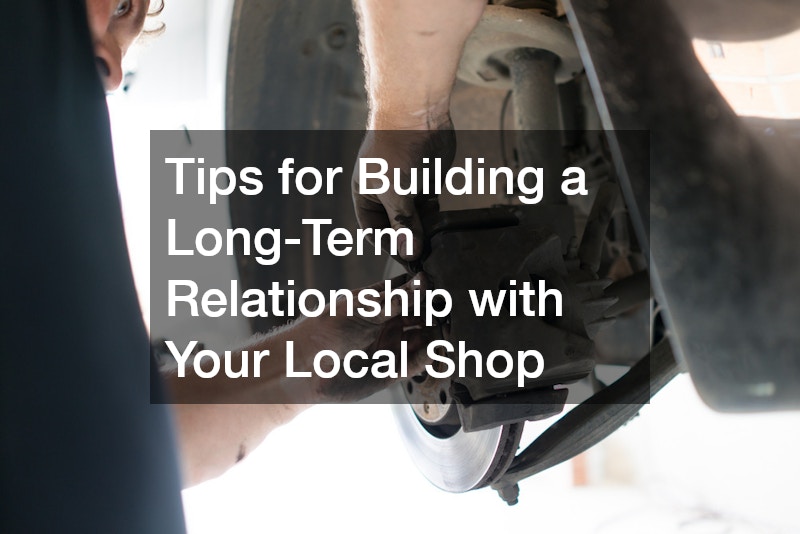
A strong relationship with a local auto repair provider can lead to better service, cost savings, and peace of mind. When a shop becomes familiar with your vehicle and your preferences, they can anticipate issues, provide more accurate estimates, and prioritize your needs during busy periods. Over time, this familiarity can translate into faster service, more personalized recommendations, and even priority scheduling during peak times.
Ways to build a long-term relationship:
- Regular Maintenance Visits: Consistent service visits allow mechanics to track your vehicle’s history in detail. By visiting the same shop for oil changes, brake inspections, and routine maintenance, the staff becomes familiar with your car’s quirks, which can prevent minor problems from becoming major repairs. They may also alert you to issues before they become costly.
- Ask About Loyalty Programs: Many local shops offer loyalty programs that reward repeat customers. These can include discounted services, free inspections, or priority access to appointments. Taking advantage of these programs not only saves money but also strengthens the bond between you and the shop, creating mutual trust and goodwill.
- Communicate Openly: Clear communication is key. Let your mechanic know your driving habits, budget limitations, and priorities. For example, if you want to extend the life of your tires or avoid cosmetic damage, the shop can provide maintenance advice or suggest preventative measures tailored to your needs.
- Referrals: Word-of-mouth recommendations are invaluable to local businesses. Referring friends and family not only helps your community but also often comes with perks, such as discounts or free services. It also demonstrates that you trust the shop, which can encourage them to go above and beyond in caring for your vehicle.
By cultivating a trusted relationship with a local auto repair provider, you gain a reliable resource for both emergency repairs and routine maintenance. This relationship ensures your vehicle is consistently well cared for, reduces unexpected repair costs, and gives you confidence that your car is in capable hands. Over time, the benefits of loyalty and familiarity with a local shop far outweigh the convenience of one-time or chain service providers.
Choosing a local auto repair company goes beyond convenience. It offers personalized service, faster response times, and a higher level of trust that benefits both your wallet and your vehicle’s longevity. From routine maintenance to collision repairs and accessory upgrades, a reliable local shop can provide guidance, quality work, and peace of mind that national chains often cannot match. By investing in a strong relationship with a local provider, you protect your vehicle, reduce costs, and ensure it continues to perform safely and efficiently for years to come.