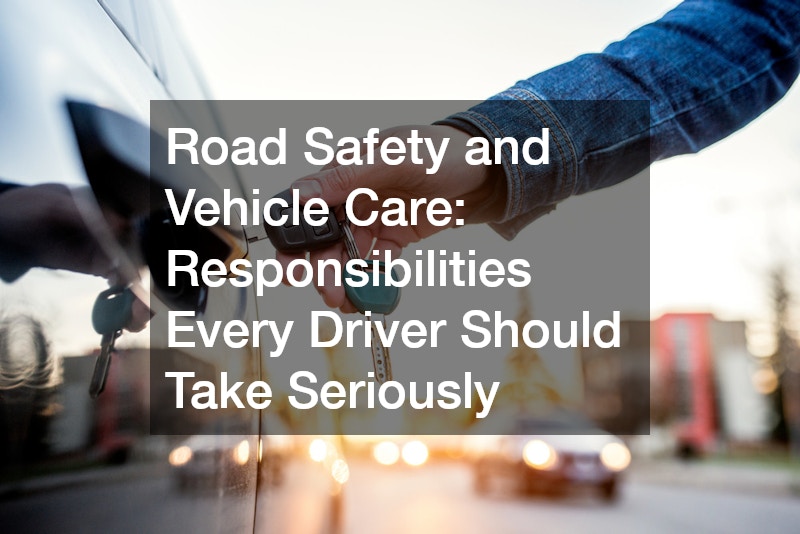

Owning a vehicle comes with both freedom and responsibility. Beyond the thrill of driving, responsible vehicle ownership requires commitment to safety, maintenance, and preparedness. Proper care ensures your car performs reliably, protects your passengers, and helps avoid costly repairs. Road safety and vehicle upkeep go hand in hand—neglecting one can jeopardize the other.
This comprehensive guide explores practical, actionable steps every driver should take. From routine inspections and emergency preparedness to seasonal maintenance and safe driving habits, these tips will help you protect yourself, your passengers, and your vehicle while extending its lifespan.
1. Perform Regular Vehicle Inspections
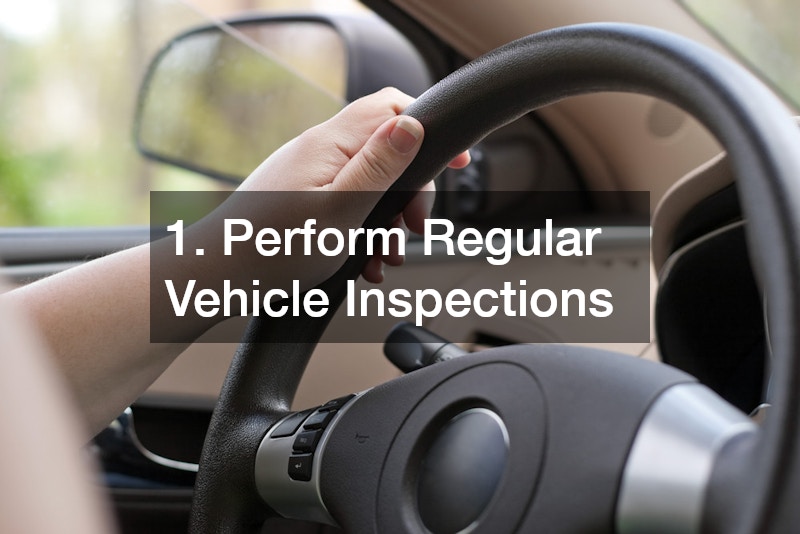
Routine vehicle inspections are the cornerstone of responsible ownership. Even minor oversights, such as a worn belt or low fluid level, can quickly escalate into a serious mechanical issue or create a hazardous situation on the road. Regular inspections not only protect your vehicle but also ensure the safety of passengers and other drivers. A proactive approach helps identify problems early, saving money, time, and stress in the long run.
Why inspections matter:
- Detect worn brake pads before they compromise stopping power or cause damage to rotors.
- Identify fluid leaks—such as oil, coolant, or transmission fluid—that could result in engine or system failure.
- Catch uneven tire wear patterns that may indicate alignment or suspension issues, improving both safety and fuel efficiency.
- Spot electrical or battery problems before they leave you stranded.
Practical steps:
- Conduct a monthly self-check: inspect lights, tires, windshield wipers, and fluid levels to catch obvious issues early.
- Schedule annual or semi-annual inspections at a car repair shop for a more thorough review of your vehicle’s systems.
- Utilize professional auto services for routine maintenance, including oil changes, air and cabin filter replacements, and belt or hose inspections.
Checklist for a basic inspection:
- Tire pressure and tread depth
- Engine oil, coolant, brake fluid, and transmission fluid
- Lights: headlights, brake lights, turn signals, and hazard lights
- Windshield wipers, washer fluid, and visibility checks
- Battery terminals, cables, and general electrical system inspection
Regular inspections help maintain optimal performance, prevent unexpected breakdowns, and extend your vehicle’s lifespan. By making these checks a routine part of ownership, you ensure that your car remains safe, reliable, and ready for every journey, providing peace of mind for both daily commutes and long trips.
2. Maintain Exterior and Interior Condition
A well-maintained vehicle not only looks newer but also protects its resale value and demonstrates pride in ownership. Even minor cosmetic upgrades can make a big difference in appearance, comfort, and safety. Vehicles that are kept clean, polished, and organized signal to others—and to yourself—that care and attention are priorities, while also reducing long-term wear and tear.
Exterior care tips:
- Wash the car regularly to remove dirt, salt, and pollutants that can erode paint and promote rust.
- Apply wax or protective coatings periodically to shield the paint from UV rays, road debris, and environmental damage.
- Address dents, scratches, and chips promptly with professional auto body services to prevent corrosion and maintain a polished look.
- Inspect tires, rims, and trim for signs of damage and clean them to prevent long-term deterioration.
Interior care tips:
- Vacuum carpets, clean surfaces, and remove debris to prevent stains, odors, and material wear.
- Use sunshades or auto tinting services to reduce UV exposure, glare, and heat, preserving interior materials.
- Replace worn mats, seat covers, and dashboard protectors to maintain a clean, cohesive look.
- Keep storage areas organized to prevent clutter from interfering with safe operation.
Actionable advice:
- Schedule a professional detailing service at least once a year to deep clean hard-to-reach areas.
- Treat leather and vinyl surfaces with conditioners to prevent cracking and fading.
- Regularly inspect and maintain wiper blades, mirrors, and windows to ensure optimal visibility in all conditions.
By maintaining both the exterior and interior of your vehicle, you not only improve aesthetics but also enhance comfort, safety, and longevity. A well-cared-for car provides a more enjoyable driving experience and helps preserve its value for years to come.
3. Keep Your Engine and Transmission Healthy
A healthy engine and transmission are the backbone of a reliable, high-performing vehicle. Neglecting maintenance or ignoring warning signs can quickly lead to costly repairs, reduced fuel efficiency, and even unsafe driving conditions. Understanding how these systems function and recognizing early warning signs allows vehicle owners to address issues before they escalate.
Signs of engine issues:
- Activation of the check engine light, which may indicate problems ranging from minor sensor malfunctions to serious mechanical failures.
- Strange noises such as knocking, ticking, or rattling, which can signal worn components.
- Vibrations or shaking during acceleration or idling, often caused by misfires or engine imbalance.
- Decreased fuel efficiency or sluggish acceleration, indicating the engine is not operating at peak performance.
Maintenance strategies:
- Regularly change engine oil, air filters, and other fluids using professional auto services to prevent wear and ensure smooth operation.
- Monitor temperature gauges to avoid overheating, which can severely damage internal components.
- Inspect belts, hoses, and connections for cracks or leaks that could compromise engine performance.
Transmission care:
- Pay attention to slipping gears, delayed engagement, or unusual noises, which may indicate early transmission problems.
- Schedule transmission repair promptly to prevent further damage.
- Ensure transmission fluid is clean and at the proper level; contaminated or low fluid can drastically reduce system lifespan.
Tips for prolonging lifespan:
- Avoid aggressive driving behaviors such as rapid acceleration, hard braking, or towing beyond recommended limits.
- Follow a preventive maintenance schedule, even when the vehicle appears problem-free.
- Maintain detailed service records to identify patterns and anticipate potential issues before they become emergencies.
Proactive engine and transmission care not only ensures smoother and safer driving but also protects your investment by minimizing unexpected repair costs and extending the vehicle’s operational life. Regular attention to these systems gives drivers confidence on the road while maintaining optimal performance and fuel efficiency.
4. Ensure Proper Tire Care and Alignment
Tires are the only point of contact between your vehicle and the road, which makes their care absolutely critical for safety, comfort, and fuel efficiency. Neglecting tire maintenance can lead to reduced traction, longer stopping distances, poor handling, and even blowouts, all of which increase the risk of accidents. Properly maintained tires not only improve performance but also save money by extending their lifespan and improving fuel economy.
Key tips:
- Rotate tires every 5,000–7,500 miles to promote even wear across all four tires.
- Check tire pressure at least once a month, and adjust it according to manufacturer recommendations to ensure optimal handling and fuel efficiency.
- Replace tires that show excessive wear, cracks, bulges, or other visible damage to maintain road safety.
- Inspect tires for uneven wear patterns, which may indicate alignment or suspension issues.
Alignment and balancing:
- Schedule wheel alignment checks at a professional auto services center, especially after hitting potholes, curbs, or rough terrain. Misalignment can cause uneven wear and reduce tire lifespan.
- Visit a car repair shop to balance tires, preventing vibrations, steering issues, and further uneven wear.
Warning signs to watch for:
- Vehicle pulling to one side while driving
- Unusual vibrations at highway speeds
- Irregular tread wear, bald spots, or cupping
Regular attention to tire care—including rotation, pressure monitoring, alignment, and balancing—enhances vehicle control, prevents accidents, and ensures a smoother, more comfortable driving experience. By maintaining your tires properly, you protect both your investment and your safety on the road.
5. Prepare for Accidents and Collisions
Even the most cautious drivers can encounter accidents. Being prepared not only reduces stress during these unexpected events but also protects your finances and ensures the safety of everyone involved. Planning ahead allows you to respond calmly and efficiently, minimizing the impact of an accident.
Immediate actions after a collision:
- Ensure all passengers are safe, check for injuries, and call emergency services if needed.
- Document the scene thoroughly with photos of damage, road conditions, and license plates, and gather witness information when possible.
- Exchange insurance details, vehicle registration, and contact information with the other driver(s) involved.
Professional support:
- Auto collision repair experts can restore your vehicle safely, efficiently, and to manufacturer standards.
- Consult your car insurance agent promptly to clarify coverage, submit claims, and avoid delays in repair or compensation.
Proactive tips:
- Keep a well-stocked first-aid kit, flashlight, reflective triangles, and emergency numbers in the car.
- Learn basic accident procedures, including how to report incidents to local authorities and your insurance provider.
- Maintain copies of insurance cards, registration, and vehicle documents in a secure location within your vehicle.
Being prepared ensures that even minor accidents don’t escalate into major financial, legal, or safety issues, giving drivers peace of mind on the road.
6. Keep Your Vehicle Secure
Vehicle security protects your investment and reduces the risk of theft or vandalism.
Practical strategies:
- Park in well-lit, secure areas whenever possible.
- Install auto tinting services to obscure valuables and deter thieves.
- Lock doors and close windows, even when parked briefly.
Insurance considerations:
- Review policies with a car insurance agent to ensure comprehensive theft and damage coverage.
- Understand deductible options and any requirements for theft prevention devices.
Additional tips:
- Install steering wheel locks or GPS tracking systems.
- Keep keys secure and avoid leaving spare keys in the vehicle.
- Regularly update alarm and security systems.
By combining physical security measures and insurance awareness, drivers can protect their vehicles and enjoy peace of mind.
7. Prepare for Towing and Roadside Emergencies
Breakdowns happen, and knowing how to respond is crucial for safety and minimizing damage.
Emergency kit essentials:
- Jumper cables
- Reflective triangles or flares
- Flashlight and extra batteries
- Basic tool kit
Professional support:
- Keep contacts for tow truck services or a reliable towing company.
- Ensure your towing provider is familiar with your vehicle type to prevent damage.
Tips for roadside safety:
- Pull off the road safely and activate hazard lights.
- Stay inside the vehicle if it’s unsafe to exit.
- Inform family or friends of your location and expected wait time.
Preparedness reduces stress, keeps passengers safe, and ensures professional help arrives efficiently.
8. Protect Cargo and Specialty Loads
Transporting cargo safely is a major responsibility, especially for trucks or trailers. Improperly secured loads can cause accidents or damage.
Best practices:
- Use truck tarps to cover loose or heavy loads.
- Check tie-down points and ensure weight distribution is even.
- Work with a towing company for specialized or oversized loads.
Additional tips:
- Inspect load security before every trip.
- Avoid exceeding weight limits or overhanging loads.
- Regularly inspect tarps, straps, and trailer components for wear.
Proper cargo handling prevents accidents, protects other road users, and avoids legal penalties.
9. Practice Safe Driving Habits Daily
Safe driving is a core responsibility that complements vehicle maintenance. A well-maintained car is only as safe as the driver behind the wheel.
Key behaviors:
- Follow speed limits and adjust for weather or traffic conditions.
- Maintain a safe following distance and avoid aggressive maneuvers.
- Minimize distractions: no texting, eating, or multitasking while driving.
Vehicle support:
- Use auto services for brake, suspension, and steering inspections.
- Visit a car repair shop for regular checks that ensure handling and control are optimal.
Additional tips:
- Take defensive driving courses to enhance awareness.
- Adjust mirrors and seating for full visibility.
- Monitor blind spots and anticipate the actions of other drivers.
Responsible driving habits, paired with a well-maintained vehicle, drastically reduce the risk of accidents.
10. Plan for Seasonal Maintenance
Seasonal conditions place different demands on your vehicle. Planning ahead prevents breakdowns and ensures continued safety.
Winter:
- Check antifreeze, battery health, and tire tread.
- Inspect brakes and lights for icy conditions.
- Use auto collision repair services to address salt or rust damage.
Summer:
- Monitor coolant systems and AC performance.
- Check tire pressure regularly due to heat expansion.
- Schedule transmission repair if towing or long-distance trips put additional strain on the system.
General tips:
- Rotate tires seasonally if needed.
- Inspect wipers and washer fluid for optimal visibility.
- Keep emergency supplies suitable for seasonal hazards.
Proactive seasonal maintenance preserves vehicle performance, extends its lifespan, and enhances road safety year-round.
Being a responsible vehicle owner requires a combination of proactive maintenance, road safety awareness, and emergency preparedness. From routine inspections and seasonal care to safe driving habits and proper load handling, every step contributes to a safer, more reliable driving experience. Taking these responsibilities seriously not only protects your investment but also safeguards your passengers and other road users. By implementing these practices and consulting professionals when necessary, drivers can enjoy peace of mind, reduce unexpected expenses, and create a safer environment on the road for everyone.