
Long-Term Reliability Starts With Everyday Care
Keeping a car running like new is not about waiting for something to break and then fixing it. It is about building consistent habits that protect the vehicle from avoidable wear. Every mile adds stress to the engine, brakes, tires, suspension, fluids, belts, hoses, and electrical systems. When those parts are checked and maintained on time, the vehicle is more likely to stay safe, efficient, comfortable, and dependable.
Preventative maintenance also protects the owner’s budget. Small problems are usually easier and less expensive to correct than major failures. A worn belt, low fluid level, weak battery, or uneven tire pattern may seem minor at first, but those issues can turn into breakdowns if ignored. Regular care helps drivers spot these warning signs before they interrupt daily life or create safety risks.
A well-maintained vehicle also holds its value better. Clean paint, smooth handling, reliable braking, strong engine performance, and complete service records all show that the car has been properly cared for. Whether a driver plans to keep a vehicle for many years or sell it later, good maintenance is one of the smartest investments they can make.
Follow a Consistent Maintenance Schedule
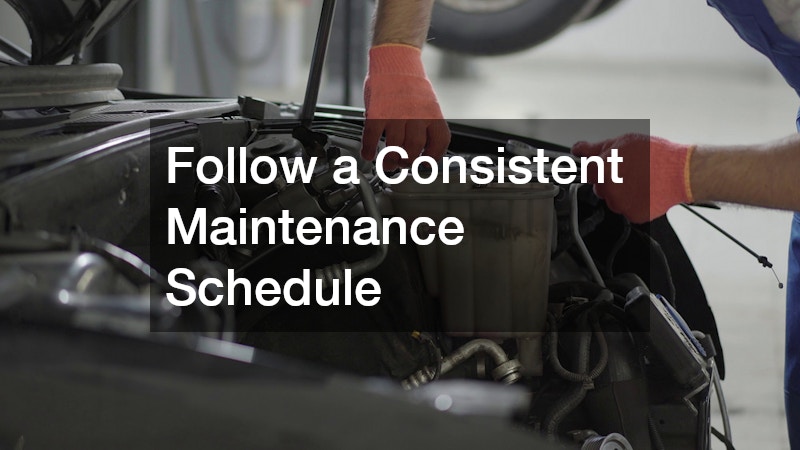
The easiest way to keep a vehicle in strong condition is to follow the manufacturer’s recommended maintenance schedule. This plan is tailored to the vehicle’s make, model, engine, mileage, and driving conditions, and typically includes oil changes, fluid checks, filter replacements, tire rotation, and inspections of belts and spark plugs.
Skipping routine maintenance can lead to costly repairs. Engine oil, for example, reduces friction and heat while removing contaminants. When it becomes old or low, engine wear increases. Filters also play a key role in performance, fuel efficiency, and air quality. Though small, these components are essential to overall vehicle health.
Drivers should watch for early warning signs such as unusual noises, vibrations, warning lights, leaks, or changes in performance. Addressing these issues early can prevent major damage. Keeping service records is also important, as it helps track maintenance and can improve resale value.
Vehicles used for towing, long commutes, or frequent stop-and-go driving may require more frequent service. Following a consistent maintenance routine helps prevent avoidable problems and keeps the vehicle running reliably.
Prioritize Safe and Responsive Driving Performance
A car that runs well should also stop, steer, and handle properly. Safety depends on more than engine power. Brakes and suspension components work together to keep the vehicle controlled, stable, and predictable on the road. When these systems wear out, drivers may notice longer stopping distances, pulling, uneven tire wear, or vibration.
Brake repairs should never be delayed. Brake pads, rotors, calipers, brake fluid, and lines all require regular attention. Worn pads can damage rotors, while low or contaminated brake fluid reduces stopping power. Squeaking, grinding, pulsing, or a soft pedal are clear warning signs. A vehicle may still move normally, but stopping safely becomes harder in emergencies.
Suspension issues are just as important. Auto suspension services help maintain ride comfort, steering response, tire contact, and stability. Worn shocks, struts, or joints can cause drifting, bouncing, or instability at higher speeds.
Alignment also affects safe handling. Poor alignment can cause pulling, uneven tire wear, or an off-center steering wheel. Correcting alignment early extends tire life and improves control.
Drivers should be cautious after hitting potholes or debris, as impacts can damage suspension or alignment. Maintaining these systems improves control in all conditions, making driving safer and more reliable.
Protect the Exterior From Everyday Damage
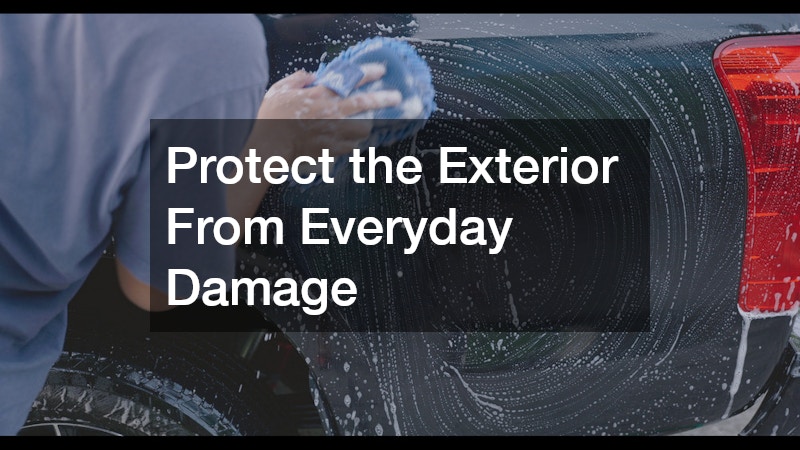
A vehicle’s exterior faces constant exposure to sunlight, rain, dirt, bird droppings, road salt, tree sap, brake dust, insects, and road debris. Over time, these elements can dull the finish, stain the paint, or contribute to corrosion. Regular exterior care helps preserve the vehicle’s appearance and resale value while preventing long-term damage.
Washing the vehicle regularly is one of the simplest ways to protect it. Dirt and grit can scratch the surface if left in place, while road salt can accelerate rust on metal components. Drivers in colder climates should rinse the undercarriage to remove buildup. Drying the vehicle afterward helps prevent water spots and streaking.
Auto ceramic coating adds an extra layer of protection by creating a durable surface that resists contaminants, enhances shine, and simplifies cleaning. While not damage-proof, it reduces everyday wear and helps maintain a cleaner look between washes.
Body damage should be addressed quickly. An auto body shop can repair dents, scratches, and paint chips before they worsen or expose metal to rust. Prompt repairs prevent minor issues from becoming costly problems.
Parking habits also matter. Avoid parking under trees or in direct sun when possible. Covered parking or a car cover can reduce exposure. Exterior care protects more than appearance—it helps the vehicle age more slowly and stay well-maintained.
Replace Worn Components With Quality Parts
Every vehicle eventually needs replacement parts. The key is to replace worn components before they cause damage to nearby systems. Delaying small replacements can create a chain reaction. For example, worn belts can affect charging or cooling systems. Weak batteries can strain electrical components. Bad tires can reduce traction and increase stopping distance. Choosing quality auto parts helps preserve reliability and performance over time.
Not all replacement parts are the same. Some parts are designed to match original manufacturer standards, while others may vary in quality. Drivers should ask questions about durability, warranty coverage, compatibility, and expected service life. The cheapest option may not always be the best value if it wears out quickly or does not fit properly. Quality parts can reduce repeat repairs and help the vehicle operate as intended.
Tires are one of the most important components on the vehicle because they are the only part that touches the road. Regular tire service helps maintain traction, fuel efficiency, ride comfort, and safety. This includes checking tire pressure, rotating tires, balancing wheels, inspecting tread depth, and watching for cracks, bulges, or uneven wear. Underinflated tires can reduce fuel economy and create excess heat, while overinflated tires may wear unevenly and reduce comfort.
Tread depth is especially important in wet or slippery conditions. Tires with low tread are more likely to lose grip, especially during heavy rain. Drivers should also pay attention to tire age, even if the tread appears acceptable. Rubber breaks down over time, so older tires may need replacement even when they are not heavily worn.
Other components should be inspected during regular service visits. Belts, hoses, batteries, filters, lights, wiper blades, and fluids all support daily reliability. Replacing these items on time can prevent breakdowns and make the vehicle easier to maintain.
Using dependable parts and staying ahead of wear helps the car feel newer for longer. It also reduces the risk of unexpected problems that could leave the driver stranded or lead to expensive repairs.
Maintain the Drivetrain for Reliable Performance
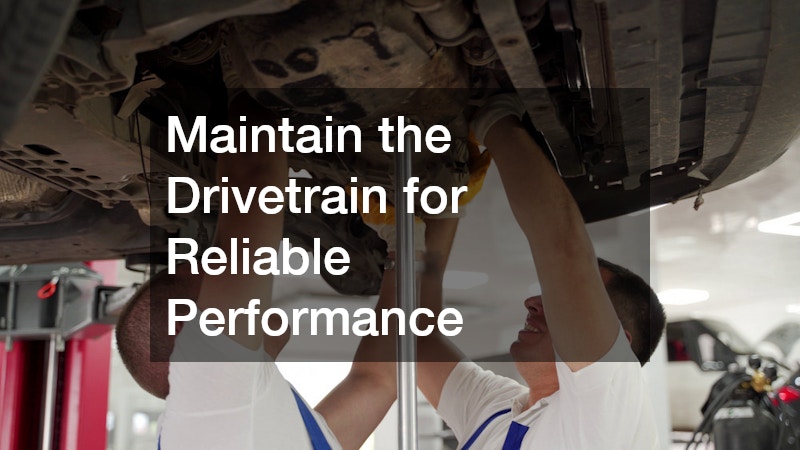
The drivetrain is responsible for transferring power from the engine to the wheels. When it is properly maintained, the vehicle accelerates smoothly, shifts correctly, and delivers dependable performance. When it is neglected, the driver may notice slipping, hesitation, rough shifting, vibration, poor acceleration, or unusual noises.
A performance transmission requires proper fluid, clean internal components, and careful service intervals. Transmission fluid helps cool, lubricate, and protect the system. Over time, fluid can become dirty, low, or degraded. When that happens, shifting may become rough or delayed. Ignoring transmission symptoms can lead to severe damage, and transmission work is often one of the more expensive vehicle repairs.
Drivers should follow the recommended service schedule for transmission inspections and fluid changes. Some vehicles require more frequent service, especially if they tow, carry heavy loads, drive in hot climates, or spend a lot of time in traffic. It is also important to use the correct type of fluid because the wrong fluid can affect performance and cause damage.
The engine also needs ongoing care to stay strong. Engine repairs can often be reduced or delayed with proper maintenance. Oil changes, coolant service, spark plug replacement, fuel system cleaning, and belt inspections all help the engine run efficiently. Drivers should never ignore overheating, knocking sounds, oil leaks, loss of power, or repeated warning lights.
Driving habits have a major effect on drivetrain life. Fast starts, sudden stops, heavy towing without proper preparation, and ignoring warm-up needs in cold weather can increase wear. Smooth acceleration, steady speeds, and timely service can help the vehicle perform better over the long term.
The drivetrain is one of the most expensive parts of a vehicle to repair, so prevention matters. Regular service helps protect the systems that create movement and power. When the engine and transmission are cared for properly, the entire vehicle feels stronger, smoother, and more reliable.
Prepare Financially for Unexpected Vehicle Needs
Even the best-maintained vehicle can experience unexpected issues. A road hazard, collision, sudden mechanical failure, or weather-related damage can happen without warning. Preparing financially helps drivers respond quickly instead of delaying necessary work.
One smart step is reviewing coverage with an auto insurance agency. Drivers should understand what their policy includes, what deductibles apply, and what types of damage may be covered. Collision, comprehensive, rental reimbursement, roadside assistance, and uninsured motorist coverage can all affect how much support is available after an incident. Coverage needs may change as a vehicle ages, moves to a new location, or is used differently.
Insurance does not cover every type of vehicle expense. Routine maintenance, wear-and-tear items, and many mechanical auto repairs are usually the owner’s responsibility. That is why it is helpful to maintain an emergency repair fund. Even setting aside a small amount each month can make future service easier to manage.
Drivers should also keep repair documentation organized. Receipts, estimates, photos of damage, warranty information, and service records can be useful for insurance claims, warranty claims, and resale. If a repair is related to an accident, clear documentation can help speed up the process and reduce confusion.
Choosing reputable repair professionals is another part of financial protection. A low-quality repair may seem cheaper at first but can create more problems later. Drivers should look for clear estimates, transparent communication, warranty information, and technicians who explain the work in understandable terms.
Planning for unexpected needs does not mean expecting the worst. It means being ready. When drivers understand their coverage, keep records, and set aside funds for maintenance, they are better prepared to handle problems quickly and responsibly.
Perform Seasonal Inspections Before Weather Changes
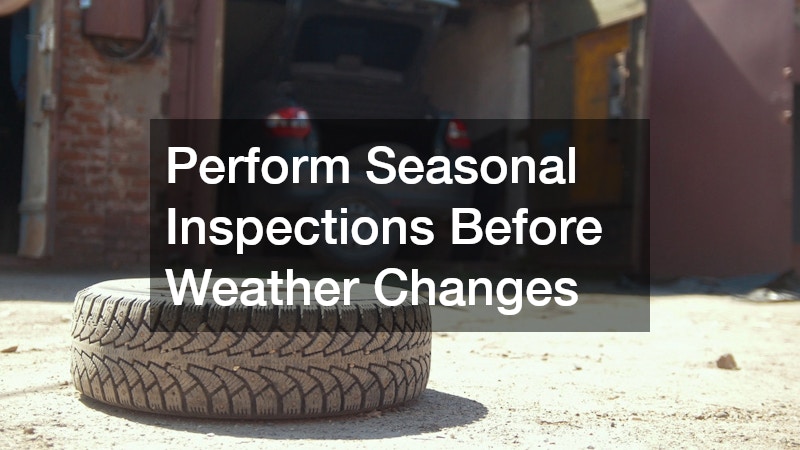
Seasonal changes place different demands on a vehicle. Heat, cold, rain, snow, and long road trips can all expose weaknesses in systems that seemed fine during normal driving. A seasonal inspection helps drivers prepare before weather conditions become more challenging.
Before summer, drivers should check cooling systems, air conditioning, fluids, belts, hoses, and battery health. High temperatures can stress the engine and electrical system. Tires should also be inspected because heat can increase pressure and worsen existing damage. A reliable tire service can check tread, pressure, rotation needs, balance, and overall condition before long trips or hot-weather driving.
Before winter or rainy seasons, braking performance becomes even more important. Brake repairs may be needed if the driver notices squealing, grinding, vibration, pulling, or a soft pedal. Wet, icy, or snowy roads already reduce traction, so brakes must be in good working order. Even a small braking issue can become more dangerous when road conditions are poor.
Visibility should also be part of seasonal preparation. Wiper blades, headlights, brake lights, turn signals, defrosters, and washer fluid all support safe driving. Worn wipers can make rainstorms more dangerous, while weak lights reduce visibility at night or during bad weather.
Drivers should also check emergency supplies before seasonal travel. A spare tire, jack, jumper cables, flashlight, first-aid kit, phone charger, water, and basic tools can be helpful during unexpected delays. In colder regions, blankets, gloves, and an ice scraper may also be useful.
Seasonal inspections give drivers confidence before conditions change. Instead of discovering a weak battery on a freezing morning or worn tires during a rainstorm, they can handle those issues ahead of time. This habit supports safety, comfort, and reliability throughout the year.
A Well-Cared-For Vehicle Rewards Every Mile
Keeping a car running like new is the result of steady attention, not one major repair. When drivers follow a maintenance schedule, respond to warning signs, protect the exterior, use quality replacement components, and prepare for seasonal changes, they give the vehicle a better chance of lasting longer and performing well.
Good maintenance also makes driving less stressful. A vehicle that starts reliably, brakes smoothly, handles properly, and looks cared for is easier to trust. It can reduce unexpected expenses, support better fuel efficiency, and help preserve resale value.
The most important step is consistency. Drivers do not need to know every detail of how a vehicle works, but they should know when to schedule service, what warning signs to watch for, and why small issues should not be ignored. With a practical care routine and help from trusted professionals when needed, any driver can keep a vehicle feeling dependable, safer, and newer for years to come.