
The Total Accident Recovery Blueprint: From the Crash Site to a Showroom Finish
A car accident happens in a split second, but the aftermath often lingers for weeks or even months. The sound of crunching metal and the sudden jolt of an unexpected impact can leave any driver feeling disoriented and overwhelmed. Once the initial shock subsides, a mountain of challenging logistics emerges. There are insurance forms to fill out, medical checks to complete, and, of course, the daunting task of figuring out what to do with a damaged vehicle. For most people, a personal vehicle is one of the largest financial investments they will ever make. Seeing it crumpled, scratched, or completely non-functional is disheartening, to say the least.
However, a major collision does not have to mark the end of a vehicle’s life cycle or its beauty. With the right roadmap, an automobile can transition from a roadside wreck back to its original glory. This comprehensive guide provides a clear, step-by-step framework to navigate the entire restoration journey. By understanding the process from the initial recovery to the final aesthetic enhancements, owners can regain peace of mind and ensure their vehicle returns to the road in peak condition, both structurally and visually. Exploring the exact phases required to transform a damaged car back into a true showroom masterpiece reveals a highly structured path.
Securing the Vehicle at the Scene
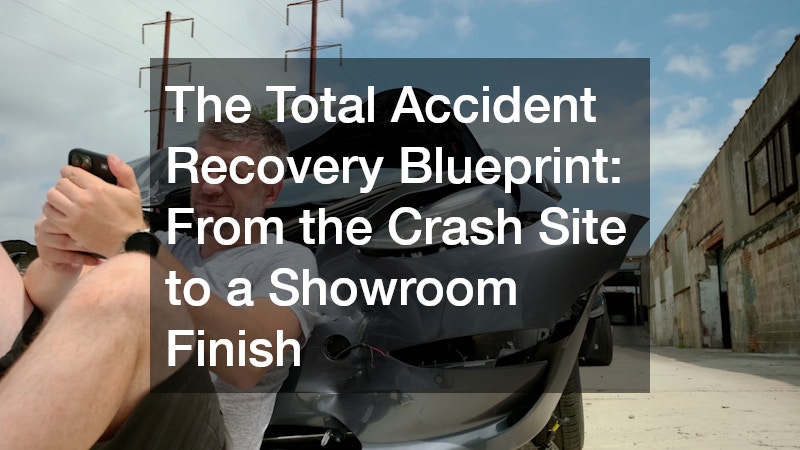
The moments immediately following an accident require quick thinking and decisive action to guarantee personal safety. After checking for injuries and moving to a secure location, attention must turn to the physical vehicle itself. When a car suffers significant structural or mechanical damage, attempting to drive it away from the scene is highly dangerous. Hidden fluid leaks, compromised suspension components, or severely misaligned wheels can easily cause a secondary incident on the highway. This is why professional vehicle transport is the absolute foundation of any successful recovery plan.
Relying on a certified company for emergency towing ensures that the damaged vehicle is lifted and transported without causing further secondary harm to the delicate drivetrain or chassis. Experienced operators know exactly how to secure a compromised vehicle, preventing additional frame strain during transit. They can safely haul the vehicle directly to a secure holding lot or straight to a designated repair facility. This initial step protects the owner from liability and prevents minor mechanical issues from escalating into irreversible structural damage before the true evaluation process even begins.
Choosing an Authoritative Damage Evaluator
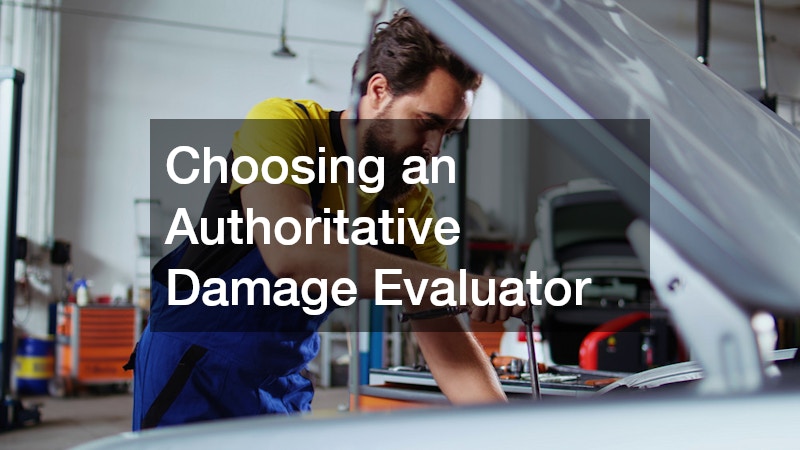
Once the vehicle arrives safely at a holding facility, the phase of detailed assessment begins. Navigating insurance adjusters and conflicting repair estimates can feel like a full-time job, especially when trying to balance daily family life. Insurance companies often try to direct vehicle owners toward their preferred network of budget-friendly corporate repair shops. However, car owners possess the clear legal right to select any facility they trust for the restoration process. It is vital to choose a facility with deep, proven expertise in structural alignment and advanced safety systems.
Selecting a reputable provider of local collision services makes a massive difference in the final outcome of the vehicle. These specialized centers possess the heavy machinery, diagnostic computers, and certified technicians required to measure frame alignment down to the millimeter. They work directly with insurance adjusters to document every piece of damage, ensuring that no hidden issues are swept under the rug. A high-quality collision center acts as a strong advocate for the vehicle owner, focusing on safety and structural integrity above all else.
Unveiling Internal and Structural Complications
While external sheet metal damage is incredibly obvious, the internal disruptions caused by a hard impact are often far more hidden and complex. Modern vehicles are complex machines packed with sensitive electronics, intricate crumple zones, and tightly calibrated mechanical systems. A front-end impact can easily shove the radiator into the engine block or compromise the steering rack assemblies. Therefore, a deep diagnostic review is mandatory before any cosmetic work can begin.
Specialized auto repair technicians must systematically check the engine, transmission, braking systems, and electrical modules for underlying faults. This thorough mechanical triage ensures that the vehicle will be completely safe to operate once it returns to public roads. Ignoring internal diagnostics can lead to catastrophic component failure down the line, completely undermining the visual repairs. True restoration requires fixing the car from the inside out, making sure that every mechanical system functions exactly as the manufacturer intended before the vehicle ever enters a paint booth or detail bay for cosmetic enhancement.
Sourcing Factory-Grade Replacement Components
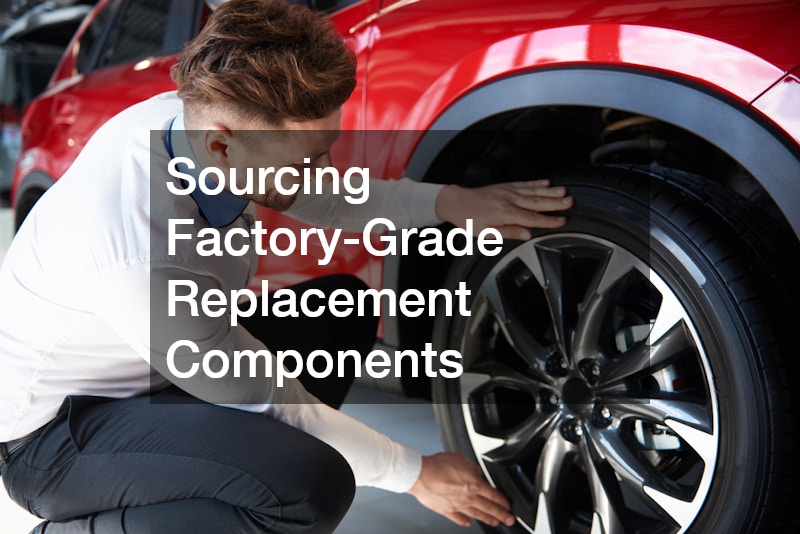
During the mechanical diagnostic phase, technicians will inevitably identify components that are broken beyond the point of safe repair. Substituting these vital items with cheap, unverified counterfeits can compromise the vehicle’s long-term reliability and crash performance. Using authentic, high-grade auto parts ensures that the vehicle maintains its original structural safety ratings. These components are manufactured to the exact specifications of the original vehicle builder, guaranteeing a perfect fit and seamless integration with existing electronic systems.
Whether the repair requires a new suspension control arm, an alternator, or structural impact bars, quality components prevent premature wear and future breakdowns. Furthermore, using factory-approved components helps preserve any remaining vehicle warranties and protects the overall resale value of the automobile. A dedicated repair facility will always prioritize sourcing these correct pieces, refusing to cut corners on the vital elements that keep a vehicle running smoothly and safely for years to come.
Re-establishing the Routine Maintenance Baseline
An often-overlooked aspect of accident recovery is the disruption of the vehicle’s regular maintenance schedule. When a car sits in a storage yard or a repair shop for weeks, fluids can settle, degrade, or slowly leak from hairline fractures caused by the impact. Additionally, the extreme stress of a collision can introduce microscopic contaminants into the engine lubrication system. Once all major structural and mechanical work concludes, resetting the baseline of preventative maintenance is an excellent practice for any owner.
Performing comprehensive oil changes ensures that the engine is completely flushed of any debris or dust that may have entered the system during the bodywork process. Fresh, clean oil provides the necessary lubrication to protect internal engine components during the initial post-repair test drives. This simple yet vital step guarantees that the powertrain is just as healthy and refreshed as the outer shell, preventing premature engine wear as the vehicle transitions back into daily commuting duties.
Refreshing the Comfort and Safety of the Cabin
While the mechanical and external body components receive the majority of attention, the interior cabin requires equal care during a comprehensive recovery process. The force of a collision can cause interior damage that is not immediately obvious. Airbag deployments can rip through dashboard panels and seat seams, while shattered side glass can leave thousands of microscopic shards embedded deep within fabric or leather seating surfaces. Furthermore, tow truck drivers, estimators, and technicians must frequently enter and exit the vehicle during the repair cycle, occasionally leaving stains or scuffs behind.
Utilizing a professional service for auto upholstery repair allows owners to completely erase these internal scars. Experienced interior technicians can perfectly patch torn leather, replace damaged headliners, and rebuild seat foam that may have collapsed during the impact. Restoring the interior environment ensures that the cabin feels fresh, clean, and completely free of any lingering reminders of the accident, restoring comfort to every journey.
Smooth Execution of Sheet Metal Straightening
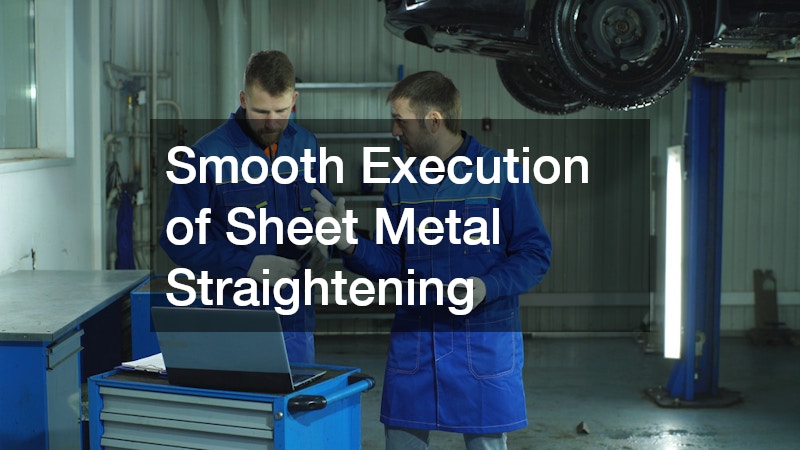
With the interior and mechanical systems fully addressed, the focus shifts entirely to the vehicle’s exterior aesthetics. Even after major structural panels are replaced, a vehicle often retains various minor dings, creases, and dents from the chaotic environment of a crash scene or subsequent transport. Traditional bodywork methods often involve heavy filler and extensive sanding, which can be time-consuming and alter the original factory panel structure.
Fortunately, modern techniques like paintless auto dent removal offer a highly effective alternative for fixing minor exterior imperfections. This specialized method involves using precision tools to gently massage the metal back into its original shape from behind the panel. By preserving the original factory paint finish, this technique saves time, reduces material costs, and keeps the car’s exterior looking flawlessly smooth without the need for extensive body filler or mismatched paint layers on minor blemishes. It is a true art form that restores original lines perfectly.
Achieving a Flawless Exterior Finish
For deeper scratches, heavily scraped panels, or areas where new sheet metal was installed, a completely fresh application of color is required. Matching modern automotive paint is an incredibly complex science that involves analyzing factory color codes, accounting for environmental fading, and applying multiple layers of primer, base coat, and clear coat. Entrusting this delicate process to a certified car painting shop guarantees a flawless, invisible transition between old and new panels.
Professional paint facilities utilize specialized down-draft spray booths to eliminate dust particles and advanced computer systems to mix paint with absolute precision. Technicians bake the fresh paint at specific temperatures to cure the clear coat perfectly, resulting in a deep, brilliant shine that mirrors the factory finish. This stage is where the vehicle truly begins to shed its accident history, transforming back into a beautiful machine that looks as if it just rolled off the showroom floor.
Restoring Window Integrity and Solar Protection
A complete exterior restoration must also address the vehicle’s glass surfaces, which are frequently damaged or replaced during a collision. New glass panels enter the vehicle completely bare, stripped of any aftermarket enhancements the owner may have previously installed. Replacing these enhancements is crucial for restoring the vehicle’s pre-accident comfort and privacy levels.
Scheduling an appointment for professional car window tinting is the ideal way to complete the glass restoration process. High-quality window films do much more than simply darken the glass; they block harmful ultraviolet rays, reject solar heat, and protect the newly repaired interior upholstery from sun damage. Additionally, window film helps hold glass fragments together in the event of a future impact, adding an extra layer of safety for the passengers inside. Getting this service completed ensures the vehicle looks sleek, private, and uniform from every angle.
Installing the Ultimate Defensive Layer
The final step in the complete accident recovery blueprint involves protecting all the hard work and financial investment that went into restoring the vehicle’s exterior. Fresh automotive paint is highly vulnerable during its first few months on the road, as the clear coat continues to fully cure and settle. To prevent highway gravel, road salt, and environmental debris from immediately ruining the brand-new finish, installing a high-quality paint protection film is an exceptionally smart decision.
This optically clear, urethane barrier is applied directly over the most vulnerable areas of the vehicle, such as the front bumper, hood, and side mirrors. The film absorbs the impact of flying road debris, preventing unsightly stone chips and scratches. Many premium films even feature self-healing properties, allowing minor surface swirls to disappear completely with the application of gentle heat, ensuring the vehicle maintains its immaculate showroom look for years to come.
Stepping Back Into a Like-New Vehicle
Recovering from a major vehicle accident is a journey that requires patience, attention to detail, and the help of skilled professionals at every turn. While the initial sight of a damaged vehicle can be discouraging, following a structured recovery plan turns a stressful situation into a manageable, rewarding process. By systematically addressing emergency transport, structural safety, mechanical health, interior comfort, and exterior preservation, owners can successfully breathe new life into their beloved automobiles.
Ultimately, this meticulous process transforms a stressful ordeal into a story of complete renewal. Every careful choice made along the way reinforces the longevity of the vehicle. By investing in top-tier workmanship, motorists ensure that their automotive companion remains dependable, resilient, and thoroughly enjoyable for all the miles left to come.
The transformation from a chaotic crash site to a flawless showroom finish is not just about aesthetics; it is about restoring the safety, performance, and value of an important asset. When every phase of the blueprint is executed correctly, the final result is a vehicle that drives beautifully, looks spectacular, and provides total peace of mind. Drivers can step back behind the wheel with absolute confidence, knowing their vehicle has been rebuilt to the highest standards and is fully prepared for the open road ahead.