
A vehicle accident can happen in a matter of seconds, but the decisions made afterward can affect a driver’s finances, safety, and peace of mind for months or even years. Whether the accident is a minor fender bender or a more serious collision, understanding what steps to take after the incident can make the recovery process far less stressful.
Many drivers feel overwhelmed when dealing with insurance companies, vehicle inspections, repair estimates, and transportation concerns. Questions often arise about where to take the vehicle, how to identify quality repair professionals, and whether temporary transportation options are available while repairs are being completed.
Knowing how to navigate the post-accident process can help drivers protect their investment, avoid unnecessary expenses, and ensure their vehicle is restored properly. From selecting reputable repair facilities to understanding maintenance needs after repairs, every step matters.
Prioritizing Safety and Documentation After an Accident
The moments immediately following an accident are critical. Safety should always be the first priority. Drivers should check for injuries, move to a safe location if possible, and contact emergency services when necessary.
Once everyone is safe, gathering information becomes essential. Photos of the accident scene, vehicle damage, road conditions, and any relevant traffic signs can prove valuable during insurance claims. Drivers should also exchange contact and insurance information with all involved parties.
Accurate documentation helps establish a clear record of events and can reduce disputes later in the claims process. It also gives repair professionals a better understanding of the damage when evaluating the vehicle.
Understanding the Role of Collision Repair Shops
After an insurance claim is initiated, one of the most important decisions involves selecting among available collision repair shops. These facilities specialize in restoring vehicles that have sustained damage from accidents, weather events, or other impacts.
A quality repair center does far more than replace damaged parts. Technicians evaluate structural integrity, assess hidden damage, and ensure safety systems continue to function properly after repairs are completed.
Drivers should look for repair facilities with experienced technicians, modern equipment, and strong customer reviews. Asking questions about repair procedures, estimated timelines, and warranty coverage can provide additional confidence during the selection process.
The lowest estimate is not always the best option. High-quality repairs often require skilled labor, proper materials, and thorough inspections to ensure the vehicle performs as intended.
Why Professional Auto Repair Services Matter
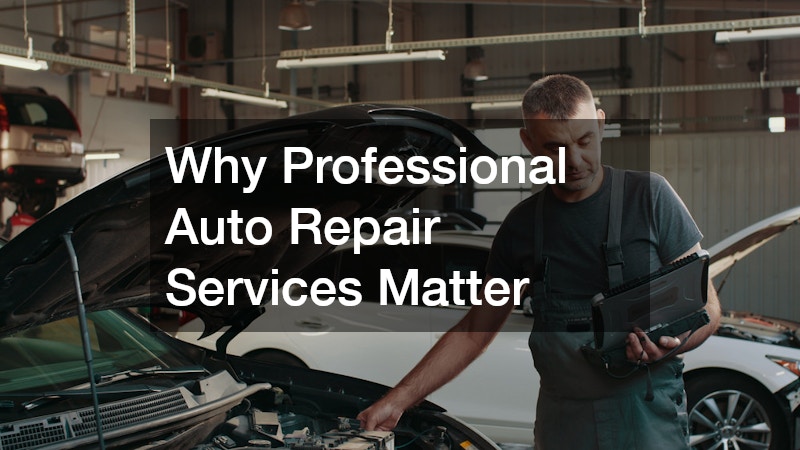
Vehicle damage is not always limited to visible dents and scratches. Modern vehicles contain complex electronic systems, sensors, cameras, and mechanical components that may be affected during an accident.
Professional auto repair services help identify issues that might otherwise go unnoticed. Problems involving steering, suspension, electrical systems, or drivetrain components may not be immediately apparent following a collision.
Comprehensive inspections allow technicians to detect these concerns before they develop into larger and more expensive problems. This approach not only restores vehicle performance but also helps maintain driver and passenger safety.
Working with qualified professionals ensures the auto repair meets manufacturer standards and industry best practices.
The Insurance Claim Process Explained
Many drivers are unfamiliar with how insurance claims work until they experience an accident firsthand. While procedures vary by provider, most claims follow a similar path.
The process typically begins with reporting the accident and submitting documentation. Insurance adjusters then evaluate the damage and determine what repairs may be covered under the policy.
Drivers should review all estimates carefully and ask questions whenever something is unclear. Understanding deductibles, coverage limits, and claim timelines can help avoid confusion throughout the repair process.
Maintaining communication with both the insurance company and repair facility helps ensure the claim progresses smoothly from start to finish.
Finding a Reliable Local Auto Mechanic for Follow-Up Inspections
Even after major repairs have been completed, follow-up evaluations can provide additional reassurance. A trusted local auto mechanic can inspect the vehicle and verify that all systems are functioning correctly.
Independent inspections may reveal issues that were not apparent during the initial repair process. This can include alignment concerns, unusual tire wear, fluid leaks, or electronic system malfunctions.
Many drivers appreciate the added confidence that comes from receiving a second professional opinion before returning to their normal driving routines.
Routine inspections following an accident can also help identify developing issues before they become significant repair expenses.
Managing Transportation Challenges During Repairs
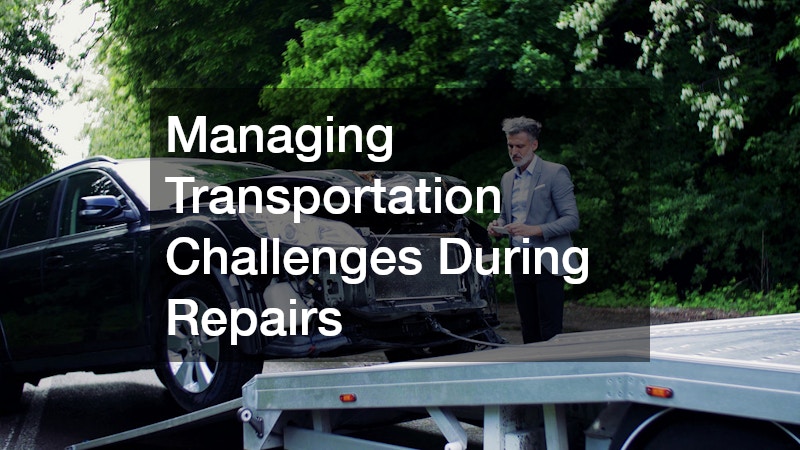
One of the most immediate concerns after an accident is transportation. Many repairs require several days or even weeks to complete, leaving drivers without reliable access to their primary vehicle.
This is where car rentals often become an important part of the recovery process. Rental vehicles allow individuals to maintain work schedules, attend appointments, and handle daily responsibilities while their own vehicle is being repaired.
Insurance policies sometimes include rental reimbursement coverage, though the specifics vary between providers. Drivers should review their policy details and confirm coverage before arranging transportation.
Planning ahead can help minimize disruptions and reduce stress during what is already a challenging situation.
Hidden Damage Drivers Often Miss After an Accident
One of the biggest mistakes vehicle owners make after an accident is assuming that visible damage tells the whole story. While dents, scratches, and broken lights are easy to spot, many collision-related issues remain hidden beneath the surface.
Modern vehicles are designed with complex safety and structural systems that absorb impact forces during a collision. Even when exterior damage appears minor, internal components may have been affected. This is especially true in low-speed accidents where the vehicle may still look relatively normal from the outside.
Frame misalignment is one example of hidden damage that can create long-term problems. A vehicle’s frame provides structural support and helps maintain proper handling characteristics. If the frame shifts during a collision, drivers may notice uneven tire wear, steering difficulties, or changes in vehicle stability. Without proper correction, these issues can continue to worsen over time.
Suspension components are also vulnerable during accidents. Parts such as control arms, struts, and steering linkages can sustain damage that is not immediately obvious. A vehicle may continue to drive after an accident, but hidden suspension issues can affect ride quality, handling, and overall safety.
Electronic systems present another challenge. Today’s vehicles rely on sensors, cameras, radar units, and onboard computers to support everything from collision avoidance systems to parking assistance features. Even a seemingly minor impact can disrupt the calibration of these technologies. Professional inspections help ensure these systems continue functioning correctly after repairs are completed.
Drivers should also pay close attention to warning lights that appear following an accident. Dashboard alerts may indicate issues involving airbags, traction control systems, tire pressure monitoring systems, or other critical vehicle functions. Ignoring these warnings can increase safety risks and potentially lead to more expensive repairs later.
Another commonly overlooked concern involves fluid leaks. Damage to cooling systems, transmission components, power steering systems, or fuel lines may not become apparent until days after the accident. Small leaks can gradually develop into major mechanical problems if left unaddressed.
Vehicle alignment is another area that deserves attention. A collision can knock wheels out of proper alignment, causing the vehicle to pull to one side or experience uneven tire wear. Correcting alignment issues early helps improve handling, fuel efficiency, and tire lifespan.
Drivers should also be aware that some accident-related problems take time to appear. Vibrations, unusual noises, or changes in vehicle performance may not become noticeable until the vehicle has been driven for several days or weeks. Scheduling follow-up inspections after repairs can help identify developing concerns before they become serious.
Taking hidden damage seriously protects both the vehicle and its occupants. A thorough post-accident evaluation helps ensure that all affected systems are identified and repaired properly. While visible repairs often receive the most attention, addressing underlying damage is equally important for restoring safety, reliability, and long-term vehicle performance.
The Importance of Brake System Evaluations
Accidents can affect more than body panels and cosmetic components. Vehicle safety systems may also experience damage that requires immediate attention.
One critical area that should never be overlooked is brake repair. Even relatively minor collisions can impact brake lines, calipers, rotors, sensors, or related components.
Because braking performance directly affects driver safety, any unusual sounds, vibrations, warning lights, or changes in stopping distance should be addressed promptly.
Professional inspections help ensure the braking system continues to perform as intended and meets all safety requirements before the vehicle returns to the road.
How Auto Maintenance Shops Support Long-Term Vehicle Health
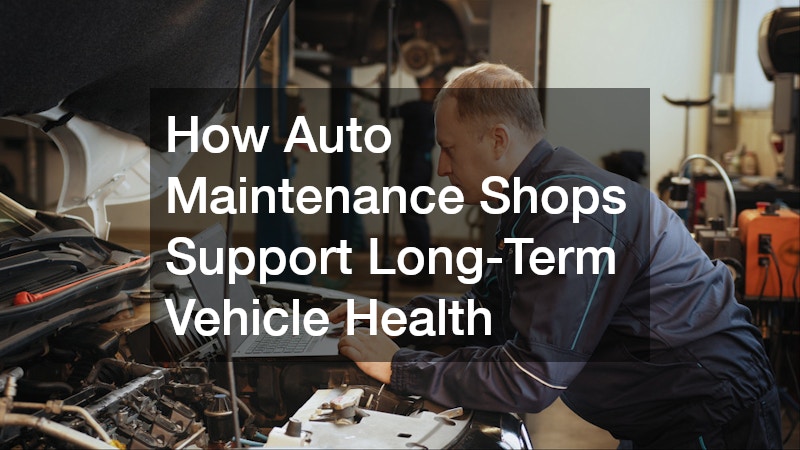
Repairing accident damage is only one part of protecting a vehicle’s long-term value. Ongoing maintenance remains essential after repairs are completed.
Many drivers rely on auto maintenance shops to perform routine services such as oil changes, tire rotations, fluid inspections, and system diagnostics. These services help identify wear and tear that may develop over time.
Regular maintenance can also reveal accident-related issues that emerge weeks or months after repairs have been completed. Addressing these concerns early often prevents larger mechanical problems later.
Consistent maintenance contributes to improved reliability, safety, and vehicle longevity.
Preserving Vehicle Appearance After Repairs
Restoring a vehicle’s appearance is often a major priority following an accident. Fresh paint and repaired body panels can significantly improve a vehicle’s overall look.
To help protect these newly restored surfaces, many vehicle owners consider car ceramic coatings. These protective treatments create a durable barrier that helps resist environmental contaminants, UV exposure, and minor surface damage.
While coatings do not make a vehicle immune to scratches or impacts, they can help maintain a cleaner appearance and simplify routine washing.
For drivers who have invested in extensive body repairs, additional paint protection may help preserve the quality of the restoration work.
Special Considerations for Older and Collector Vehicles
Not every accident involves a modern daily driver. Owners of vintage and collector vehicles often face unique challenges when seeking repairs.
Classic car auto repair requires specialized knowledge, sourcing capabilities, and restoration expertise. Replacement parts may be difficult to locate, and repair techniques often differ significantly from those used on contemporary vehicles.
Drivers should seek professionals who understand the unique construction methods, materials, and historical considerations associated with older vehicles.
Protecting the authenticity and value of collector automobiles requires careful planning and experienced craftsmanship throughout the repair process.
Evaluating Vehicle Replacement Options
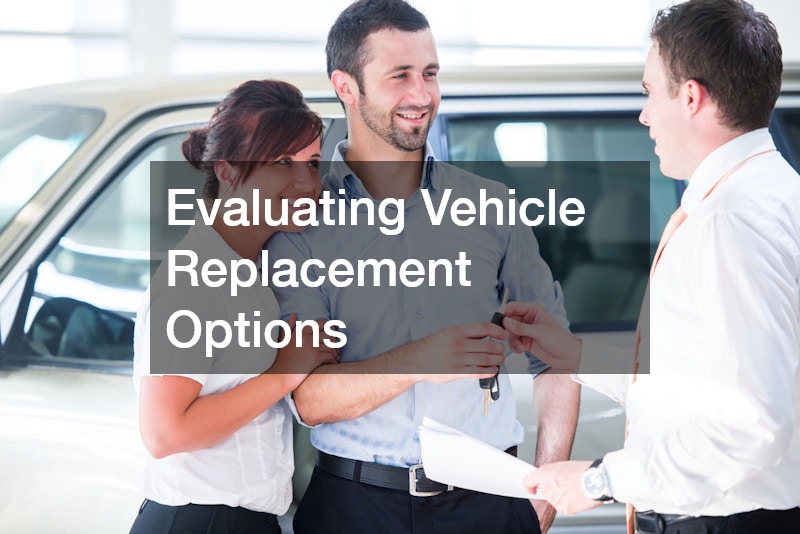
In some situations, repair costs may approach or exceed the value of the vehicle itself. When this occurs, drivers may need to consider replacement options.
Visiting a reputable used car dealership can provide access to reliable vehicles at a lower cost than purchasing new. Many dealerships offer certified pre-owned inventory that has undergone inspections and reconditioning.
Drivers should compare repair costs, vehicle age, future maintenance needs, and overall reliability when deciding whether to repair or replace a damaged vehicle.
Making an informed decision can help maximize value while ensuring dependable transportation moving forward.
Questions Drivers Should Ask Before Approving Repairs
Before authorizing any work, drivers should gather as much information as possible. Asking detailed questions helps establish expectations and reduces the likelihood of misunderstandings.
Important questions may include:
- What repairs are being recommended?
- Are original equipment or aftermarket parts being used?
- How long will repairs take?
- Is warranty coverage available?
- Will additional inspections be performed before delivery?
- What communication updates will be provided during the repair process?
Clear communication benefits both the vehicle owner and the repair provider.
Drivers should also request a detailed written estimate before any work begins. A clear breakdown of labor, parts, and projected completion dates helps eliminate surprises later in the process. It is also beneficial to ask whether supplemental repairs may be needed if hidden damage is discovered after disassembly. Understanding the possibility of additional costs allows vehicle owners to make informed decisions and prepare accordingly. Keeping copies of all estimates, invoices, inspection reports, and warranty documents creates a valuable record that can be useful for future maintenance, insurance matters, or potential resale discussions.
Protecting Yourself Throughout the Recovery Process
Accident recovery involves more than fixing visible damage. It requires careful attention to safety, documentation, maintenance, and transportation needs.
Drivers who understand the repair process are often better prepared to make informed decisions and avoid common pitfalls. Taking time to research repair facilities, communicate with insurance providers, and monitor vehicle performance after repairs can make a significant difference.
Whether dealing with structural damage, mechanical concerns, or temporary transportation needs, every step contributes to a successful recovery.
By approaching the situation with patience and knowledge, drivers can confidently navigate the challenges that follow an accident and return to the road safely.