
Owning a vehicle comes with more responsibility than simply filling up the gas tank and hitting the road. Whether you drive daily for work, manage a fleet, or rely on your car for errands, understanding how to properly handle an auto repair can save you significant time, money, and frustration. Many drivers feel overwhelmed when something goes wrong, but having a solid grasp of maintenance and repair basics puts you back in control.
This guide breaks down everything you need to know, from identifying issues early to making smart decisions about repairs, replacements, and professional services. With the right knowledge, you can extend the life of your vehicle, avoid costly surprises, and feel confident every time you get behind the wheel.
Understanding the Basics of Auto Repair
When it comes to auto repair, not all issues are created equal. Some are quick fixes, while others require extensive work and investment.
Minor vs. Major Repairs
Understanding the difference helps you prioritize:
-
Minor repairs: Oil changes, brake pad replacement, air filters
-
Moderate repairs: Battery replacement, alternator issues
-
Major repairs: Engine rebuilds, transmission replacement
Recognizing Warning Signs Early
Catching problems early can prevent expensive breakdowns. Watch for:
-
Strange noises like grinding or squealing
-
Dashboard warning lights
-
Fluid leaks under your vehicle
-
Decreased fuel efficiency
Building a Maintenance Routine
Consistency is key:
-
Follow your manufacturer’s service schedule
-
Keep records of all repairs
-
Perform monthly checks on fluids, tires, and lights
A proactive approach ensures your vehicle stays reliable and reduces the likelihood of unexpected repairs.
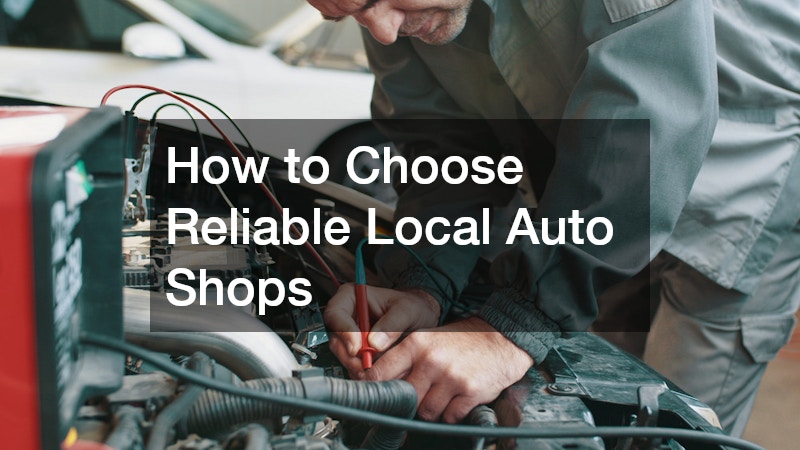
How to Choose Reliable Local Auto Shops
Finding trustworthy local auto shops can make a huge difference in your overall experience.
What to Look For
-
Certifications such as ASE (Automotive Service Excellence)
-
Experienced technicians with proven track records
-
Transparent pricing and written estimates
Questions to Ask Before Committing
-
Do they specialize in your vehicle type?
-
What warranties do they offer?
-
How long will repairs take?
Red Flags to Avoid
-
Vague or changing estimates
-
Lack of communication
-
Pressure to approve unnecessary repairs
Pro Tip
Build a relationship with a shop before emergencies happen. Routine maintenance visits help establish trust and familiarity.
When It’s Time to Sell Junk Cars Instead of Repairing
At some point, repairing a vehicle may no longer make financial sense. Knowing when to sell junk cars can save you from pouring money into a lost cause.
Signs It’s Time to Let Go
-
Repair costs exceed the vehicle’s value
-
Frequent breakdowns
-
Severe structural damage or rust
Cost vs. Value Analysis
Ask yourself:
-
How much will repairs cost long-term?
-
What is the resale value after repairs?
-
Would a newer vehicle save money on maintenance?
Preparing Your Car for Sale
-
Remove personal belongings
-
Gather title and paperwork
-
Compare offers from multiple buyers
Making the decision to sell isn’t easy, but sometimes it’s the most practical choice.
Diagnosing and Handling Electrical Issues in Your Vehicle

Modern vehicles rely heavily on electronics, making electrical services essential for proper function.
Common Electrical Problems
-
Dead battery
-
Faulty alternator
-
Blown fuses
-
Malfunctioning sensors
Basic Troubleshooting Steps
Before heading to a professional:
-
Check battery connections
-
Inspect fuses
-
Test lights and accessories
When to Call a Professional
Electrical systems can be complex. Seek help if:
-
Issues persist after basic checks
-
Warning lights remain on
-
Systems fail intermittently
Prevention Tips
-
Avoid leaving electronics on when the engine is off
-
Replace batteries regularly
-
Schedule periodic inspections
What to Do After an Accident and Navigating Collision Repairs
After an accident, knowing how to handle collision repairs can reduce stress and ensure your vehicle is restored properly.
Immediate Steps to Take
-
Check for injuries
-
Move to a safe location
-
Document the scene with photos
Working With Insurance
-
File a claim promptly
-
Provide accurate documentation
-
Understand your coverage
Choosing the Right Repair Shop
-
Look for certified technicians
-
Ask about parts (OEM vs. aftermarket)
-
Request a timeline for repairs
Ensuring Quality Work
-
Inspect the vehicle after repairs
-
Verify paint matching
-
Confirm all systems function properly
When to Call a Towing Company and What to Expect

A reliable towing company is essential when your vehicle becomes undrivable, whether due to mechanical failure, an accident, or unexpected roadside issues. Knowing you have a dependable service to call provides peace of mind, especially in stressful or potentially dangerous situations. Towing companies are equipped to handle a variety of scenarios, from simple breakdowns to heavy-duty recoveries, ensuring your vehicle is transported safely to a repair facility or your preferred destination.
Choosing a reputable towing provider means understanding the types of services they offer, including flatbed towing, wheel-lift towing, and emergency roadside assistance. It’s also important to consider response times, pricing transparency, and availability, especially for 24/7 services. While waiting for a tow, safety precautions—such as keeping hazard lights on, remaining inside your vehicle if it’s safe, and keeping a roadside emergency kit handy—can make a significant difference.
Partnering with a trusted towing company not only ensures your vehicle is moved safely but also minimizes stress and potential damage. Having this support in place allows you to handle unexpected breakdowns efficiently, maintain your schedule, and get back on the road with confidence.
Situations That Require Towing
-
Engine failure
-
Flat tire without a spare
-
Severe accidents
-
Overheating
Types of Towing
-
Flatbed towing (safest for most vehicles)
-
Wheel-lift towing
-
Heavy-duty towing for large vehicles
Safety Tips While Waiting
-
Turn on hazard lights
-
Stay inside your vehicle if safe
-
Keep emergency supplies on hand
Being prepared ensures you handle roadside emergencies calmly and efficiently.
How Towing Service Fits Into Emergency Vehicle Care
Businesses relying on transportation benefit greatly from a dependable local same day delivery service. Fast and reliable deliveries are often critical to maintaining customer satisfaction, meeting tight deadlines, and keeping operations running smoothly. When vehicles in a delivery fleet are well-maintained and reliable, businesses can avoid costly delays that might otherwise disrupt schedules or harm their reputation. Efficient delivery operations not only help retain existing customers but also attract new clients who value speed and reliability.
Partnering with a trusted towing service delivery provider ensures that packages arrive on time, even during unexpected surges in demand or challenging traffic conditions. It also allows companies to streamline logistics, coordinate multiple deliveries efficiently, and reduce stress on staff. Regular maintenance of delivery vehicles, combined with scheduled inspections and proactive repairs, ensures that vehicles remain dependable and can handle the rigors of frequent, time-sensitive trips.
Incorporating a local same day delivery service into business operations also allows for greater flexibility. Businesses can respond to urgent requests, handle last-minute orders, and maintain a competitive edge, all while minimizing downtime and operational disruptions. Moreover, leveraging technology such as route optimization software, GPS tracking, and automated delivery notifications can further enhance efficiency and transparency for both businesses and customers. Overall, a reliable delivery system supports operational efficiency, boosts customer satisfaction, and provides a scalable solution for growing businesses, making it an indispensable component of modern business logistics.
Coordinating With Repair Shops
-
Choose a repair destination ahead of time
-
Communicate clearly with the driver
-
Confirm drop-off details
Reducing Downtime
-
Schedule repairs as soon as possible
-
Keep contact information for trusted providers
-
Consider roadside assistance plans
Understanding Costs
-
Distance-based pricing
-
Additional fees for special equipment
-
Insurance or membership coverage
Planning ahead minimizes stress during emergencies.
Supporting Fleet Efficiency With Local Same Day Delivery Service
Businesses relying on transportation benefit greatly from a dependable local same day delivery service. Fast and reliable deliveries are often critical to maintaining customer satisfaction, meeting tight deadlines, and keeping operations running smoothly. When vehicles in a delivery fleet are well-maintained and reliable, businesses can avoid costly delays that might otherwise disrupt schedules or harm their reputation.
Partnering with a trusted same day delivery provider ensures that packages arrive on time, even during unexpected surges in demand or challenging traffic conditions. It also allows companies to streamline logistics, coordinate multiple deliveries efficiently, and reduce stress on staff. Regular maintenance of delivery vehicles, combined with scheduled inspections and proactive repairs, ensures that vehicles remain dependable and can handle the rigors of frequent, time-sensitive trips.
Incorporating a local same day delivery service into business operations also allows for greater flexibility. Businesses can respond to urgent requests, handle last-minute orders, and maintain a competitive edge, all while minimizing downtime and operational disruptions. Overall, a reliable delivery system supports both operational efficiency and customer satisfaction, making it an indispensable component of modern business logistics.
Why Vehicle Maintenance Matters
-
Prevents delays in deliveries
-
Reduces operational costs
-
Maintains customer satisfaction
Tips for Keeping Fleet Vehicles Reliable
-
Schedule regular inspections
-
Rotate vehicles to balance wear
-
Track maintenance digitally
Minimizing Downtime
-
Address issues immediately
-
Keep backup vehicles available
-
Partner with reliable service providers
Efficient operations depend on well-maintained vehicles.
Why CDL Physicals Matter for Commercial Drivers
For professional drivers, a CDL physical is more than a requirement—it’s a crucial safety measure that protects both the driver and everyone on the road. These exams go beyond simply checking off a regulatory box; they ensure that drivers are physically and mentally fit to handle the demands of operating a commercial vehicle. A CDL physical typically includes vision and hearing tests, blood pressure checks, assessments of cardiovascular health, and a review of medical history. Each of these components helps identify potential health issues that could impair driving performance or increase the risk of accidents.
Preparing for a CDL physical is also an important part of staying proactive about personal health. Drivers should ensure they are well-rested, properly hydrated, and have all necessary documentation ready for the exam. Maintaining a healthy lifestyle—including regular exercise, balanced nutrition, and adequate sleep—not only supports passing the physical but also improves long-term driving safety. By treating a CDL physical as both a regulatory requirement and a preventive health check, professional drivers can ensure they remain safe, compliant, and capable of performing their duties on the road for years to come.
What It Includes
-
Vision and hearing tests
-
Blood pressure checks
-
Medical history review
Why It’s Important
-
Ensures drivers are fit for long hours
-
Reduces accident risks
-
Maintains compliance with regulations
How to Prepare
-
Bring necessary documents
-
Get adequate rest
-
Stay hydrated
Staying healthy directly impacts driving performance and safety.
Diesel Engine Repair Tips for Longevity and Performance
Proper diesel engine repair and maintenance can significantly extend your vehicle’s lifespan. Diesel engines are built to handle heavy loads and long distances, but they require careful attention to operate efficiently over time. Regular servicing, such as timely oil changes, fuel system cleaning, and air filter replacement, helps prevent wear and tear that can lead to costly breakdowns. Using high-quality fuel and lubricants also supports optimal engine performance and reduces the risk of component damage.
Monitoring your engine for early signs of trouble—such as unusual noises, excessive smoke, or loss of power—allows you to address minor issues before they escalate into major repairs. Additionally, following manufacturer-recommended service schedules and maintaining accurate records ensures that no critical maintenance task is overlooked. For fleet owners or drivers who rely heavily on diesel vehicles, combining routine maintenance with professional inspections not only enhances reliability but also improves fuel efficiency, minimizes downtime, and maximizes the overall return on investment.
Key Maintenance Practices
-
Regular oil changes
-
Fuel system cleaning
-
Air filter replacement
Common Diesel Issues
-
Hard starting
-
Excessive smoke
-
Loss of power
When to Seek Professional Help
-
Persistent performance issues
-
Unusual noises
-
Warning lights
Pro Tips for Longevity
-
Use high-quality fuel
-
Avoid short trips that prevent full warm-up
-
Follow manufacturer guidelines closely
Diesel engines are built for durability, but proper care is essential to maximize their performance.
Taking care of your vehicle doesn’t have to feel overwhelming. With the right knowledge and a proactive approach, you can prevent many common issues and handle unexpected situations with confidence. From routine maintenance to major decisions about repairs or replacements, every step you take contributes to the longevity and reliability of your vehicle.
Staying consistent with regular checkups, paying attention to warning signs, and addressing small concerns before they escalate can make a significant difference over time. Many costly repairs begin as minor issues that go unnoticed or are delayed, so being attentive and responsive is one of the most effective ways to keep your vehicle running smoothly. Even simple habits, like monitoring fluid levels or listening for unusual sounds, can help you catch problems early.
Equally important is building a relationship with trusted professionals who understand your vehicle’s needs. Having a reliable technician or service provider you can turn to for honest advice and quality work gives you peace of mind, especially in stressful situations. It also ensures that your vehicle receives proper care using the right tools, parts, and expertise.
By staying informed, choosing trusted professionals, and addressing problems early, you protect not only your investment but also your safety on the road. A well-maintained vehicle performs better, lasts longer, and provides a more dependable driving experience. Ultimately, taking a proactive approach empowers you to make smarter decisions, avoid unnecessary expenses, and enjoy greater confidence every time you get behind the wheel.