
You turn the key or push the start button, and nothing happens except silence, a click, or a dashboard that flickers weakly. That moment of frustration is one of the most common reasons vehicles end up stranded in driveways, parking lots, or repair shop bays. The good news is that most no-start problems trace back to a handful of electrical issues that are easy to understand once explained in plain language. This guide walks you through the most likely causes, how to recognize them, and when it makes sense to call in a professional rather than troubleshoot on your own.
How Your Vehicle’s Electrical System Keeps the Engine Running
Every vehicle, whether it is a full-size truck or a small utility vehicle, depends on a coordinated electrical system to start and keep the engine running. The battery supplies the initial burst of power, typically delivering around 12 volts and several hundred cranking amps to get things moving. The starter motor then uses that surge of energy to physically turn the engine over, while the alternator takes charge once the engine fires up, recharging the battery and powering everything from headlights to the radio.
Wiring, fuses, relays, and sensors tie all of these components together into a single, interdependent circuit. A corroded battery terminal, a blown fuse, or a failed relay can each interrupt the flow of electricity just as easily as a dead battery can, and diagnosing the real culprit often means checking each link in the chain rather than assuming the obvious. Modern vehicles add another layer of complexity, since onboard computers and sensors monitor everything from ignition timing to fuel delivery, and a fault in any of these systems can mimic a simple no-start condition.
Interestingly, even smaller electric-powered vehicles like golf cart rentals rely on similar battery and wiring principles, just on a smaller scale and often with multiple 6- or 12-volt batteries wired together instead of one larger unit. Understanding these basics, from how current flows to why a single bad connection can shut down the whole system, helps regardless of what you drive.
- The battery stores 12-volt electrical energy and must deliver a strong burst of current (measured in cold cranking amps) to start the engine
- The starter motor draws 100-200 amps to physically crank the engine over until combustion begins
- The alternator recharges the battery and powers electronics while driving, typically producing 13.5-14.5 volts
- Wiring and fuses distribute power safely, with fuses rated by amperage to prevent overloads and electrical fires
- Sensors and relays coordinate timing and safety functions, including the crankshaft position sensor and ignition relay
- A single weak link in this chain—corroded terminals, a blown fuse, or a failed relay—can prevent the entire system from working
Recognizing a Dead or Weak Battery
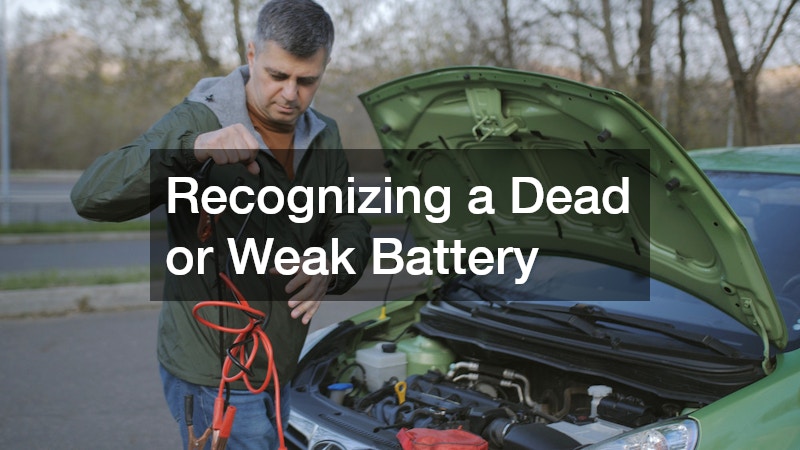
A weak or dead battery is by far the most frequent reason an engine refuses to start. If you turn the key and hear a rapid clicking sound or notice dim interior lights, the battery is likely too depleted to send enough current to the starter. Cold weather makes this worse, since low temperatures reduce a battery’s chemical efficiency and require more power to get the engine moving. Age is another factor, as most batteries only last three to five years before they can no longer hold a full charge.
- Clicking noise when turning the key
- Dashboard lights that dim or flicker
- Slow cranking that eventually stops
- Battery older than four years without replacement
Corroded or Loose Battery Connections
Sometimes the battery itself is perfectly healthy, but the connection between the battery terminals and cables is the real problem. Corrosion appears as a white, blue, or greenish crust around the terminals and can block the flow of electricity even when the battery is fully charged. Loose cables can also cause intermittent starting problems, since a small amount of vibration while driving can disconnect just enough contact to cut power. Cleaning terminals with a wire brush and tightening connections is a simple first step before assuming the battery needs replacing.
- Visible white or greenish buildup on terminals
- Cables that wiggle or feel loose to the touch
- Starting issues that seem to come and go randomly
- Corrosion caused by heat, moisture, or battery age
Starter Motor and Solenoid Failures
If your battery tests fine but the engine still will not crank, the starter motor or its solenoid may be the culprit. The solenoid acts like a switch that sends battery power to the starter motor, and when it wears out, you may hear a single loud click with no engine movement at all. A rapid clicking sound, by contrast, often points to a weak connection or insufficient power reaching the solenoid rather than the starter itself, so the exact sound is a useful diagnostic clue.
Heavier vehicles, including work trucks that see frequent stop-and-start use, tend to put extra strain on starters over time. Each start draws a heavy jolt of current through the starter’s internal components, and repeated cycles gradually wear down the brushes, bushings, and electrical contacts inside the motor.
Many truck repair specialists note that starter failures are especially common in vehicles used for towing or heavy hauling, since these tasks demand more frequent and forceful engine starts. Fleet vehicles and trucks that idle frequently in stop-and-go traffic face similar risks, as does age; most starters last between 100,000 and 150,000 miles before showing signs of fatigue. Catching a failing starter early, before it strands you completely, can save significant time and repair costs.
- A single loud click but no cranking — usually signals a solenoid that can’t complete the circuit to the starter motor, often due to burnt internal contacts
- Repeated rapid clicking can point to a weak battery or corroded connections starving the solenoid of the 9-12 volts it needs to engage
- Grinding noise when attempting to start — indicates the starter’s bendix gear isn’t meshing properly with the flywheel teeth, sometimes from a worn drive gear or loose mounting bolts
- Intermittent starting that worsens with heat — expanding worn brushes or windings inside a hot starter motor lose contact, then work again once the unit cools
- This heat-related pattern often shows up after highway driving or on hot summer days, making diagnosis tricky if the car starts fine when cold
- Starter motor wear accelerated by frequent heavy use — short trips, frequent restarts, and stop-start city driving all shorten a starter’s typical 100,000-mile lifespan
- Excessive idling habits or aftermarket remote-start systems can also add extra engagement cycles that wear internal components faster than normal use
Ignition Switch and Key Fob Troubles
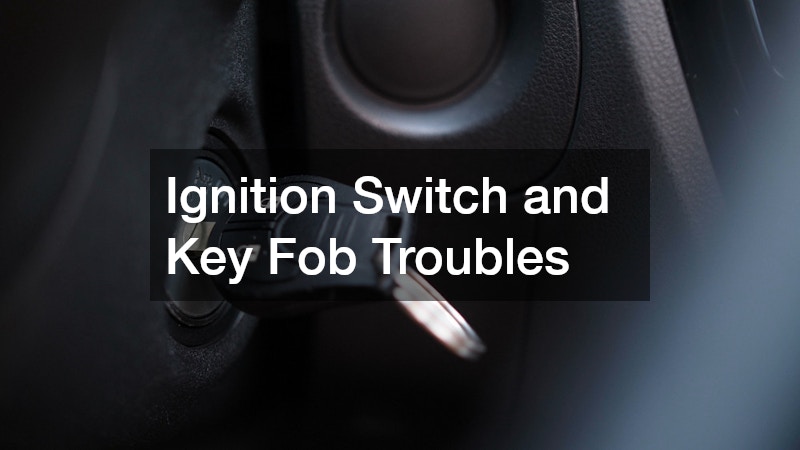
Modern vehicles rely on more than just a physical key turn to start the engine, and problems with the ignition switch or key fob can easily be mistaken for battery or starter issues. A worn ignition switch may fail to send the signal needed to engage the starter, even though every other electrical component works normally. Push-button start systems can also fail if the key fob battery is low or if the fob’s signal is not being read correctly by the vehicle’s receiver. Testing with a spare key or replacing the fob battery is a quick way to rule this out before assuming a bigger problem exists.
- Engine cranks but nothing happens with certain keys
- Dashboard warning about key not detected
- No response at all from push-button start
- Intermittent starting linked to key position or angle
Blown Fuses and Wiring Damage
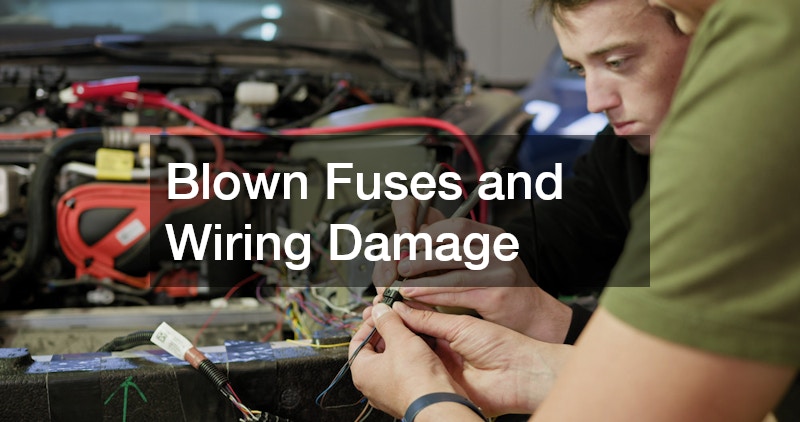
Fuses protect your vehicle’s electrical circuits, and a single blown fuse can prevent the starting system from working even if every other component is in good shape. Wiring damage is another common issue, especially in vehicles that have been in a collision or have experienced rodent damage under the hood. If wiring was affected during an accident, a qualified auto body shop can properly diagnose and repair damaged harnesses as part of restoring the vehicle’s structure and electrical integrity. Ignoring frayed or exposed wires can lead to intermittent starting problems that are difficult to diagnose without professional equipment.
- Blown fuse identified through the vehicle’s fuse box diagram
- Exposed or chewed wiring near the engine bay
- Burning smell accompanying electrical issues
- Recent collision or rodent activity as a warning sign
Alternator Problems and Charging System Failures
While the alternator is not directly responsible for starting the engine, a failing alternator can drain the battery to the point where starting becomes impossible. If your battery keeps dying even after being replaced or jump-started, the alternator is a likely suspect. Warning signs often include dimming headlights while driving, a battery warning light on the dashboard, or unusual noises coming from the alternator pulley. Left unaddressed, a failing alternator will eventually leave you with a battery too weak to start the engine at all.
- Headlights that dim noticeably while driving
- Battery warning light illuminated on the dashboard
- Repeated battery failure despite replacement
- Whining or grinding noise from the alternator area
Security Systems and Immobilizer Glitches
Many modern vehicles include an immobilizer system designed to prevent theft by disabling the engine unless it recognizes the correct key signal. Occasionally, this system malfunctions and prevents the engine from starting even when everything else is working correctly. A blinking security light on the dashboard often indicates the immobilizer is not recognizing the key, which can happen due to a weak fob battery, interference, or a system glitch. Resetting the system according to the owner’s manual or having a professional read the diagnostic codes can often resolve this frustrating issue.
- Blinking security or immobilizer light on the dashboard
- Engine cranks normally but will not fire
- Key recognized inconsistently or not at all
- Reset procedure available in most owner’s manuals
Deciding Between DIY Troubleshooting and Professional Help

Basic checks like inspecting battery terminals, testing the battery voltage, and checking for obvious blown fuses are reasonable steps for most vehicle owners to try at home. However, once the issue involves internal starter components, wiring diagnostics, or computer-controlled security systems, professional tools and expertise become necessary. Seeking auto repair services at this stage can save time and prevent further damage, since technicians have diagnostic equipment that can pinpoint the exact failure rather than relying on guesswork. Knowing your own comfort level with basic electrical work helps you decide when it is time to stop troubleshooting and call for help.
- Battery voltage testing with a simple multimeter
- Visual inspection of terminals, cables, and fuses
- Diagnostic scanning for security or computer-related codes
- Situations requiring specialized starter or wiring repair
Preventive Steps to Avoid Future No-Start Situations
Many electrical no-start problems can be avoided altogether with a bit of regular attention to your vehicle. Routine battery testing, especially before extreme temperature seasons, helps catch weak batteries before they leave you stranded. Scheduling regular auto repair checkups allows a technician to inspect wiring, connections, and charging system performance before small issues become major failures. Staying proactive rather than reactive is almost always less expensive and less stressful than dealing with a sudden breakdown.
- Test battery health once or twice a year
- Clean terminals and check cable tightness periodically
- Inspect wiring during routine maintenance visits
- Replace aging batteries before they fail completely
Electrical failures may seem mysterious at first, but as this guide shows, most no-start problems come down to a short list of familiar culprits like batteries, starters, wiring, and security systems. Paying attention to early warning signs and addressing small issues quickly can save you from being stranded at the worst possible moment. If your troubleshooting efforts do not resolve the problem, do not hesitate to bring your vehicle to a trusted professional who can properly diagnose and fix the issue. Taking action now is the best way to keep your engine starting reliably for years to come.