
A traffic accident happens in a split second. The sudden sound of crunching metal, the jarring jolt of an impact, and the instant deployment of airbags can leave even the most experienced drivers feeling disoriented and overwhelmed. In those critical first moments following a collision, taking a deep breath and focusing on clear, methodical steps makes a massive difference in human safety and overall recovery. The primary objective immediately after an accident is to secure the scene, assess immediate dangers, and prevent secondary accidents from occurring on busy roadways. Drivers should immediately activate their vehicle hazard lights to alert oncoming motorists of a hazard ahead. If the vehicle remains operational and is sitting in an active traffic lane, moving it carefully onto the highway shoulder or into a nearby parking lot is always the safest choice. However, if the car cannot move, or if any occupants report severe pain, everyone should remain buckled up inside the cabin until emergency responders arrive, assuming there is no immediate threat of fire or water hazard.
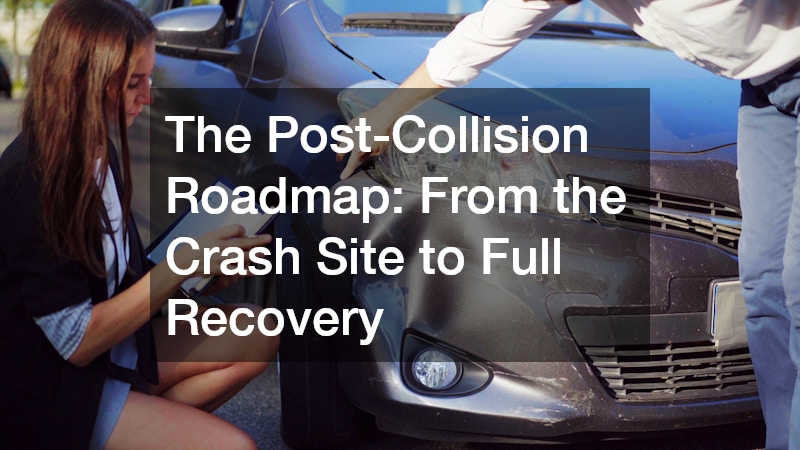
Once initial physical safety is confirmed, check on all passengers in your vehicle as well as occupants of other cars involved in the collision. Call emergency services right away to report the incident, explicitly requesting medical personnel if anyone experiences neck stiffness, head pain, or dizziness. While waiting for police officers and medical personnel to arrive, gathering accurate documentation becomes the next top priority. Drivers need to exchange essential information, including full names, contact numbers, driver license details, insurance policy numbers, and vehicle registration info with all involved parties. Taking clear, well-lit photos of vehicle positioning, paint scrapes, vehicle damage, tire skid marks, road conditions, and weather factors provides invaluable objective evidence for insurance claims later. During this initial phase, contacting reliable roadside assistance services helps organize swift support directly on the shoulder. Dispatchers can guide motorists through immediate steps, coordinate traffic safety, and direct appropriate assistance to the location. Depending on vehicle damage, requesting assistance from an experienced tow service company ensures the disabled car is moved safely off the thoroughfare without causing additional damage or highway congestion.
Managing Transport for Different Vehicle Types
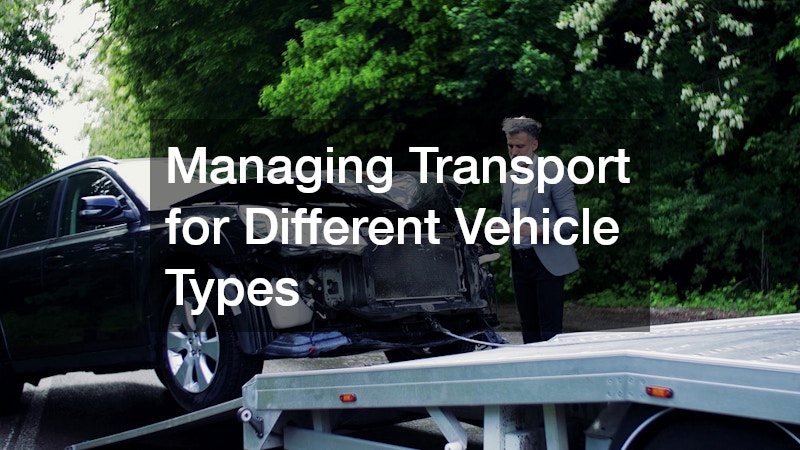
Moving a damaged automobile away from a crash site requires specialized equipment and trained handling. Cars are complex machines, and treating every recovery situation with a broad, one-size-fits-all approach can easily cause secondary mechanical damage. For example, traditional front-wheel or rear-wheel drive cars with minor bumper damage might be moved short distances using standard wheel-lift equipment, but modern all-wheel-drive configurations and hybrid or electric vehicles require much more careful consideration. Professional recovery technicians understand that flatbed carriers are almost always the safest option for preserving delicate drivetrain components, electronic drive axles, and suspension structures during transport.
Proper towing procedures protect fragile electrical wiring, hydraulic brake lines, and lower body trim from unwanted stress and scrapings while moving the vehicle to a secure facility. When transporting modern battery-electric automobiles, additional precautions are mandatory. Flat-towing an electric vehicle with its drive wheels touching the pavement can cause the internal electric motors to turn, generating excessive electric current that can severely overheat or ruin the internal inverter and high-voltage battery systems. Additionally, thinking ahead about where the vehicle should be transported saves time and expense. If an electric car consumed significant battery reserves while running emergency flashers or sitting idling after a crash, transporting it to a location equipped with an accessible ev charging station or specialized service center simplifies diagnostic testing and prevents complete battery depletion. Clear communication with the recovery crew regarding the specific make, model, and drive configuration of your vehicle avoids costly mistakes and establishes a smooth transition toward full vehicle restoration.
Prioritizing Personal Health and Injury Recovery
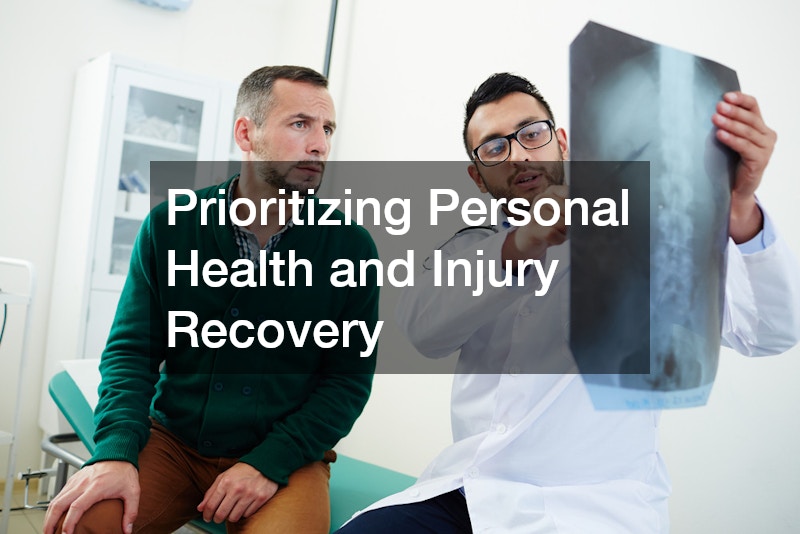
While crushed body panels and shattered glass are immediately obvious after an impact, physical injuries to the human body often remain hidden beneath the surface. Adrenaline rushing through the bloodstream during a violent accident can easily mask significant soft tissue trauma, spinal misalignments, and joint sprains. It is extremely common for drivers and passengers to walk away from a crash feeling relatively fine, only to wake up two or three days later suffering from intense neck stiffness, sharp back pain, or persistent tension headaches. Ignoring these early warning signs or assuming that minor soreness will simply fade away on its own allows underlying micro-trauma to develop into chronic pain issues that can linger for months or years.
Getting a complete medical evaluation as soon as possible after a collision is crucial for long-term health and legal claims. A comprehensive physical assessment catches subtle injuries like micro-tears in ligament tissues, whiplash, and spinal subluxations before severe localized inflammation settles into the body. Scheduling an appointment with an auto accident chiropractor provides focused, specialized diagnostic care aimed directly at correcting spinal structural imbalances, relieving pressure on irritated nerve roots, and restoring natural range of motion without relying heavily on prescription pain medications. Specialized chiropractic treatment plans utilize gentle spinal adjustments, targeted soft tissue therapies, and therapeutic exercise protocols designed specifically to counter the rapid acceleration and deceleration forces exerted on the body during a collision. Furthermore, receiving expert medical evaluation creates an accurate, time-stamped medical record connecting physical injuries directly to the accident event. Insurance claims adjusters demand thorough clinical documentation when evaluating personal injury claims, and having a detailed care plan ensures proper authorization for necessary treatments. Prioritizing physical health ensures you are fully capable of enjoying your vehicle once all mechanical repairs are finished.
Assessing Exterior and Structural Damage
After personal health and vehicle transport logistics are successfully managed, attention turns toward restoring the physical structure of the automobile. Modern cars are engineered with precise crumple zones that collapse strategically during an impact to absorb kinetic energy and protect the passenger cabin. While these safety features perform an outstanding job of keeping occupants safe, they often leave behind subtle structural deformities that require specialized diagnostic equipment to detect. What appears to the untrained eye as a simple surface scratch or superficial plastic dent can frequently hide bent frame rails, cracked mounting brackets, or damaged safety sensors underneath.
Transporting the vehicle to a certified auto body shop gives skilled technicians the opportunity to perform a comprehensive frame and body inspection. These specialty facilities utilize computerized three-dimensional laser measuring systems to compare vehicle frame dimensions against exact original factory specifications down to the millimeter. Correcting underlying frame alignment is essential, as even a slightly twisted chassis compromises emergency handling, causes rapid and uneven tire wear, and reduces structural protection during any potential future collisions. In addition to structural frame straightening, localized cosmetic components demand careful attention. Modern front and rear vehicle bumpers host an array of delicate tech features, including ultrasonic parking sensors, radar units for active emergency braking, and cameras for blind-spot monitoring. Executing a proper bumper repair involves much more than filling cosmetic cracks and applying new paint; it requires precise electronic recalibration of all embedded sensors to guarantee that driver assistance features operate flawlessly. Professional collision technicians ensure that cosmetic perfection and structural safety are entirely aligned before the vehicle leaves the facility.
Inspecting Mechanical and Safety Systems
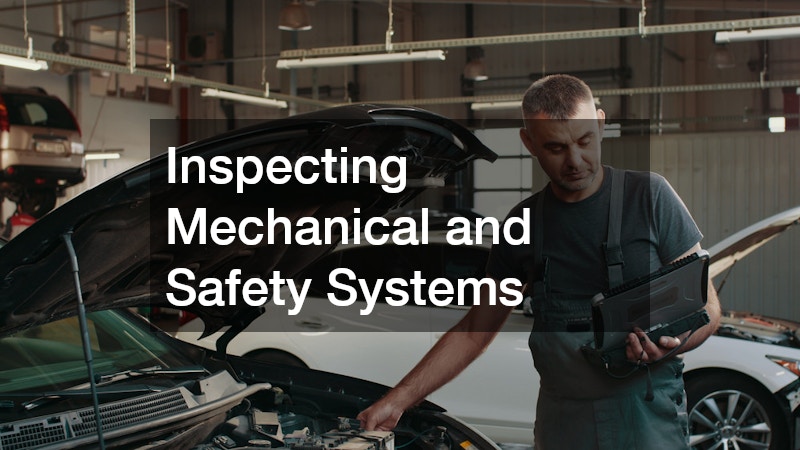
Body panel alignment and fresh paintwork represent only one portion of complete vehicle recovery. The force of a collision creates kinetic shockwaves that travel deep into the mechanical heart of an automobile, potentially causing hidden damage that visual checks cannot uncover. A car might appear completely straight on the exterior while harboring cracked radiator supports, bent suspension control arms, damaged steering racks, or subtle fluid leaks within the engine bay. Driving a car with unaddressed mechanical damage risks sudden component failure, engine overheating, or dangerous control loss on the highway.
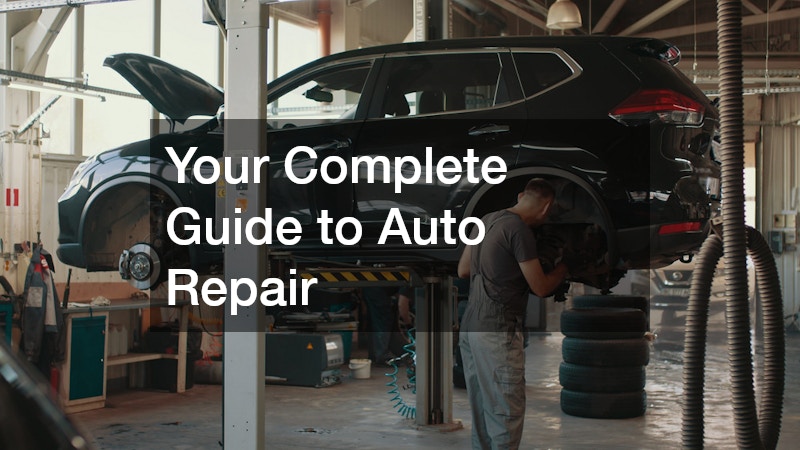
Arranging a thorough mechanical inspection at a professional auto repair facility ensures every mechanical, hydraulic, and electrical system functions properly. Experienced technicians run comprehensive computerized diagnostic scans to check the engine control module for stored error codes and evaluate fluid reservoirs for signs of contamination or pressure loss. They systematically examine brake rotors, wheel bearings, drive shafts, and exhaust piping for microscopic stress fractures or bending. Furthermore, primary and secondary safety features like anti-lock braking modules, supplemental restraint systems, and seatbelt pretensioners require electronic verification following an impact. Even a minor low-speed bump can trigger underlying electrical faults within safety control modules that could prevent airbags from deploying during a future emergency. Addressing these mechanical and electronic concerns early prevents premature mechanical wear, preserves fuel efficiency, and gives the driver absolute peace of mind behind the wheel.
Restoring Paint Integrity and Long-Term Exterior Protection
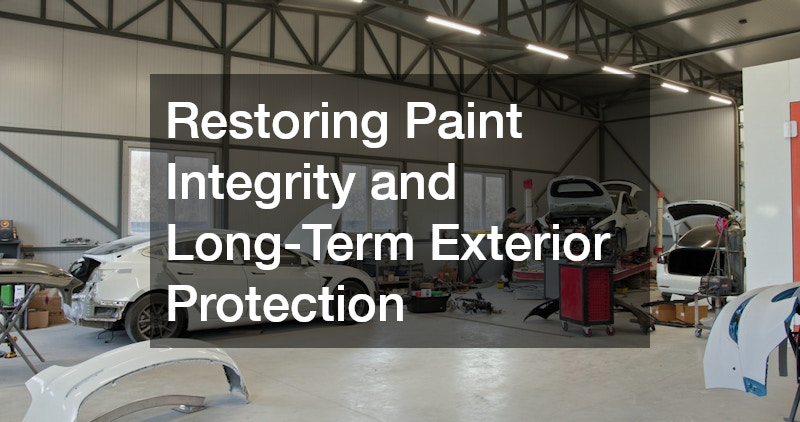
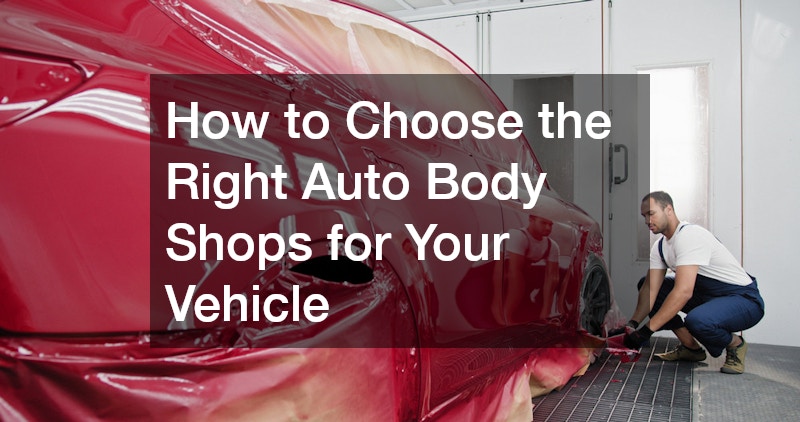
With mechanical systems verified and structural repairs completed, restoring the vehicle exterior finish to factory quality becomes the central focus of the restoration process. Modern vehicle paint application is a highly technical art that requires computerized color matching, careful clear coat blending, and precise application techniques. Repaired panels must match original factory paint smoothly under varying lighting environments, ranging from direct mid-day sunlight to fluorescent night lighting. Once fresh paint is expertly applied and thoroughly cured within climate-controlled spray booths, taking steps to preserve that pristine finish becomes vital for long-term vehicle value.
Applying a premium auto ceramic coating across both newly painted sections and original factory surfaces forms a durable chemical bond with the clear coat, creating a tough protective layer. This advanced hydrophobic shield actively repels environmental hazards such as ultraviolet radiation, acid rain, bird droppings, tree sap, and road salt that can otherwise degrade automotive paint. Beyond environmental defense, a quality ceramic coating enhances optical depth and gloss, delivering a vibrant showroom finish that lasts for years rather than weeks. It also simplifies routine maintenance, as dirt, road grime, and brake dust struggle to bond to the ultra-slick ceramic surface. Investing in paint protection ensures that your vehicle not only looks completely recovered from its past accident, but remains resilient against daily environmental wear for many miles down the road.
Reclaiming Cabin Comfort and Interior Functionality
The severe physical forces of a collision often extend inside the vehicle cabin as well. Airbag deployments can tear open dashboard materials and side seat bolsters, while flying debris or broken glass can slice through leather seating and delicate door trim. Even when interior damage is subtle, the physical shock of an impact can displace interior console panels, loosen wiring harnesses, or damage built-in comfort controls embedded within the seats. Restoring the interior cabin environment to a pristine, comfortable state is a fundamental part of feeling completely at home behind the wheel again.
Rebuilding cabin comfort frequently centers around restoring or upgrading driver and passenger seating structures. When repairing damaged interior seating, vehicle owners have an excellent opportunity to upgrade their daily driving experience. Collaborating with a professional heated seats installer allows car owners to replace damaged heating elements or integrate brand-new aftermarket seat heating systems directly into existing or newly upholstered seats. Modern seat heating kits utilize ultra-thin, flexible carbon-fiber heating elements, dedicated relay wiring harnesses, and subtle switches that integrate neatly into original equipment dashboard or console panels. Beyond providing luxurious warmth during cold winter drives, gentle radiant heat helps soothe lingering muscle stiffness and back soreness during extended drives. Upgrading cabin upholstery while adding high-value interior comfort features transforms a stressful post-collision restoration process into a rewarding vehicular upgrade.
Final Checks and Returning to the Open Road
Completing the post-collision recovery process requires a systematic final review before accepting delivery of your vehicle. Car owners should conduct a careful walkaround inspection alongside the facility manager, checking paint consistency, body panel alignment, and interior control operation. Taking the vehicle on a thorough test drive allows you to verify steering wheel center alignment, braking stability, cabin noise levels, and heating or cooling performance in real-world conditions. Additionally, keeping an organized physical and digital file containing all repair invoices, diagnostic reports, medical evaluations, and insurance documents provides clear documentation for future vehicle valuation. Following a structured roadmap from the initial accident site to final inspection protects your health, preserves financial investment, and ensures complete driving confidence whenever you take to the open road.