A transmission that slips is not something to ignore and hope goes away. What starts as a subtle hesitation between gears can quickly turn into a complete failure that leaves you stranded and facing a much bigger bill. Learning to recognize the early warning signs can save you thousands of dollars and help you decide whether a repair or a full replacement is the smarter path forward. This guide walks you through the symptoms, causes, and decision points so you can act before minor slipping becomes a major mechanical disaster.
Recognize the Early Warning Signs of Slipping Gears
A slipping transmission often announces itself quietly before it becomes an emergency. You might notice the engine revving higher than usual without a corresponding increase in speed, almost as if the transmission has momentarily lost its grip between gears. A brief delay when shifting from park into drive, or from drive into reverse, is another common early clue, sometimes lasting just a second or two before the vehicle engages. Other subtle signs include gears that seem to shift at odd times, such as jumping from second to fourth without settling into third, or a noticeable clunk or jerk during what should be a smooth transition. Some drivers also report a burning smell, which can indicate overheating transmission fluid, or a whining and humming noise that changes pitch as speed increases. These symptoms can feel minor at first, which is exactly why so many drivers wait too long to have them checked out. A single hesitation while shifting might happen once and never again for weeks, making it easy to dismiss as a fluke. But when these signs start appearing more frequently or in combination, they’re usually early evidence of internal wear that will only worsen with continued driving.
A slipping transmission rarely announces itself with a single, obvious failure — it usually starts as a series of small, easy-to-dismiss quirks. Watch for RPM surges where the engine revs higher than normal before the car actually gains speed, delayed engagement when shifting from park into drive or reverse, and gears that hesitate or “hunt” before settling in. Unusual noises like whining, clunking, or humming during acceleration are also worth noting, as is a burnt smell that can signal overheating transmission fluid. It also helps to check the fluid itself when you can safely do so. Fluid that looks dark brown or black, smells scorched, or sits noticeably low on the dipstick often points to a problem developing well before you feel it behind the wheel. Paying attention to these subtle changes in how your vehicle behaves is the single best way to catch a problem early. If you notice anything unusual — even something as minor as a brief hesitation between shifts — scheduling a visit to a trusted auto repair shop right away can help identify whether the issue is fluid-related, mechanical, or electronic in nature. Keep a simple mental log of when these symptoms occur, such as only when the engine is cold or only under heavy acceleration. That detail can save an auto repair technician significant diagnostic time and help pinpoint the root cause before a minor slip turns into a costly rebuild.
- Engine RPMs climbing without a matching increase in speed — often the first sign, noticeable when the tachometer surges past 3,000-4,000 RPM but the car feels sluggish to respond
- Delayed or hesitant engagement when shifting gears, such as a pause after moving from park to drive before the car actually moves
- Gears shifting erratically, including harsh clunks into gear or slipping out of gear momentarily during acceleration
- A burning smell coming from under the hood, usually a sign of overheating transmission fluid that’s lost its ability to lubricate properly
- Unusual whining, clunking, or humming noises during acceleration, which can indicate worn bands, gears, or bearings inside the transmission
- Fluid leaks under the vehicle, especially reddish or brownish spots, which point to low fluid levels that accelerate slipping
- The check engine or transmission warning light illuminating, often triggered by sensors detecting abnormal shift patterns or fluid pressure issues
Understand What Causes a Transmission to Slip
Slipping rarely happens for just one reason, which is why diagnosing the root cause matters so much. Low or degraded transmission fluid is one of the most common culprits, since fluid lubricates internal components and helps maintain the hydraulic pressure needed for smooth shifting. Over time, heat and friction break down the fluid’s additives, causing it to oxidize, thin out, or develop a burnt smell — a clear sign it’s no longer protecting the system as it should. A slow leak from a worn seal or gasket can also starve the transmission of fluid long before the dashboard warning light comes on. Even a quart low can drop hydraulic pressure enough to cause noticeable hesitation between gears. Worn clutch plates, damaged bands, or a failing torque converter can also prevent gears from engaging properly. Clutch plates and bands wear gradually with normal use, but aggressive driving, towing heavy loads, or frequent stop-and-go traffic can accelerate that wear significantly. A torque converter that’s losing its grip may cause the engine to rev higher than usual without a corresponding increase in speed, a telltale sign of internal slippage. Solenoid failures and sensor malfunctions round out the list of common causes, since these components tell the transmission when and how to shift. A faulty solenoid can get stuck open or closed, disrupting fluid flow to specific gears, while a bad speed sensor can send incorrect data that triggers erratic or delayed shifting.
Electronic issues are increasingly common in modern vehicles, where a faulty sensor or solenoid can send incorrect signals to the transmission control module (TCM). Speed sensors, throttle position sensors, and shift solenoids are among the usual culprits, and when they misfire, the TCM may command the wrong gear at the wrong time. This can cause erratic shifting, delayed engagement, or slipping sensations even when the internal mechanical parts are still in decent shape. A scan tool can often reveal stored diagnostic trouble codes that point toward these electronic faults, sometimes narrowing the problem down to a specific sensor or wiring connection. Loose or corroded electrical connectors are also worth checking, since they can mimic the symptoms of a failing component without any part actually being defective. In many cases, a $30 sensor replacement can resolve what initially looked like a much more expensive transmission problem. Identifying whether the problem is mechanical or electronic is a key step before any repair decisions are made. Mechanical wear, such as damaged clutch packs or a failing torque converter, typically requires disassembly and significant labor to fix. Electronic faults, by contrast, are usually far cheaper and quicker to resolve, which makes accurate diagnosis essential to avoiding unnecessary expense.
Check Transmission Fluid Levels and Condition
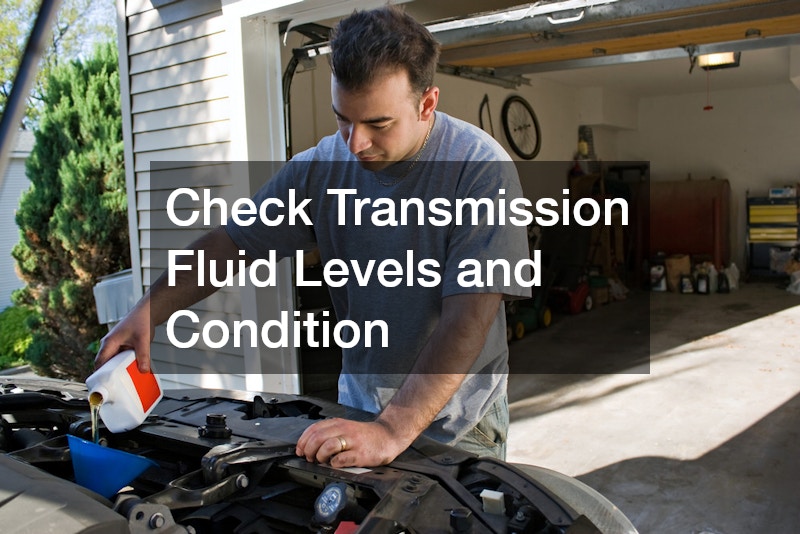
One of the easiest things a vehicle owner can do at home is check the transmission fluid, provided the dipstick is accessible on their model. Fluid that appears dark brown or black, smells burnt, or contains visible debris is a strong sign that something is wrong internally. Healthy fluid should be a clear reddish color with a slightly sweet smell.
Low fluid levels often point to a leak somewhere in the system, which should never be ignored since continued driving on low fluid accelerates internal wear. If you find fluid spots under your vehicle or notice the level dropping repeatedly, it is worth getting a professional inspection before the situation worsens. It is also worth noting that a puddle under the car does not always mean a transmission leak — a recent trip through an auto car wash can sometimes leave behind water drips that are easy to mistake for fluid, so check the color and consistency before assuming the worst. Similarly, if you recently had aftermarket work done, such as a car stereo installation, it is worth confirming that no wiring or components near the transmission tunnel were disturbed, since stray fluid or condensation from unrelated work can sometimes add confusion to the diagnosis.
- Reddish, clear fluid indicates a healthy transmission
- Brown or black fluid suggests overheating or contamination
- A burnt smell often signals worn clutch material
- Metal shavings or debris point to internal component wear
- Consistently low levels usually mean an active leak
Listen for Unusual Noises During Acceleration
Sound can tell you a lot about what is happening inside your transmission before a dashboard light ever comes on. Whining noises during acceleration often point to worn gears or low fluid, while clunking sounds when shifting can indicate damaged mounts or internal components. Grinding noises are especially concerning and usually mean metal parts are contacting each other in ways they should not.
If these noises appear alongside slipping, it is a strong signal that the transmission needs attention soon rather than later. Continuing to drive while ignoring these audible clues often accelerates internal damage, turning a moderate repair into a far more expensive one.
Watch for Delayed or Rough Gear Engagement

A healthy transmission shifts smoothly and predictably, whether you are driving an automatic or manual vehicle. Rough or delayed engagement, where the vehicle hesitates before moving after you shift into gear, often points to worn internal seals or a failing valve body. In manual transmissions, slipping can also occur when the clutch itself is worn down and no longer fully engaging with the flywheel.
These symptoms tend to get worse gradually, which makes it easy to normalize them over time without realizing how much has changed. Keeping a mental note of how your vehicle used to shift compared to now can help you catch the decline before it becomes severe.
- Hesitation between shifting into gear and actual movement
- Gears slipping out of position while driving
- RPM spikes during normal acceleration
- Jerking or clunking sensations during shifts
- Difficulty staying in a higher gear on the highway
Weigh the Cost of Repair Versus a New Gearbox
Once a diagnosis confirms significant internal damage, you are usually faced with a choice between rebuilding, repairing specific components, or opting for transmission replacement entirely. The right decision depends on the age of the vehicle, the extent of the damage, and how much you have already invested in keeping it running. A qualified technician can walk you through cost comparisons so you are not guessing at what makes financial sense.
In many cases, if the damage is caught early enough, a fluid flush, solenoid replacement, or seal repair can resolve the issue without needing a new unit altogether. However, if internal gears or the torque converter have sustained serious damage, replacement often becomes the more reliable long-term option, even though it carries a higher upfront cost.
- Consider the vehicle age and expected remaining lifespan
- Compare repair costs against the value of the vehicle
- Ask whether a rebuilt or remanufactured unit is available
- Factor in the warranty offered on replacement parts
- Get a second opinion if the estimate seems unusually high
Recognize When You Should Not Drive the Vehicle Yourself
If your transmission is slipping badly, grinding, or refusing to shift at all, continuing to drive can cause irreversible damage to internal components. In these situations, arranging for towing to a repair facility is a much safer choice than risking a breakdown on the highway or causing additional harm to the drivetrain. Driving even a short distance on a severely damaged transmission can turn a repairable issue into one that requires a full replacement.
Many roadside assistance plans and insurance policies include towing coverage, so it is worth checking your policy before you need it. This is especially important for larger vehicles, since not every towing provider offers RV services, and finding one that does ahead of time can save considerable stress during an actual breakdown. Having a plan in place ahead of time means you will not be scrambling to find a reliable option during an actual breakdown.
Address Related Wear From Collisions or Prior Damage
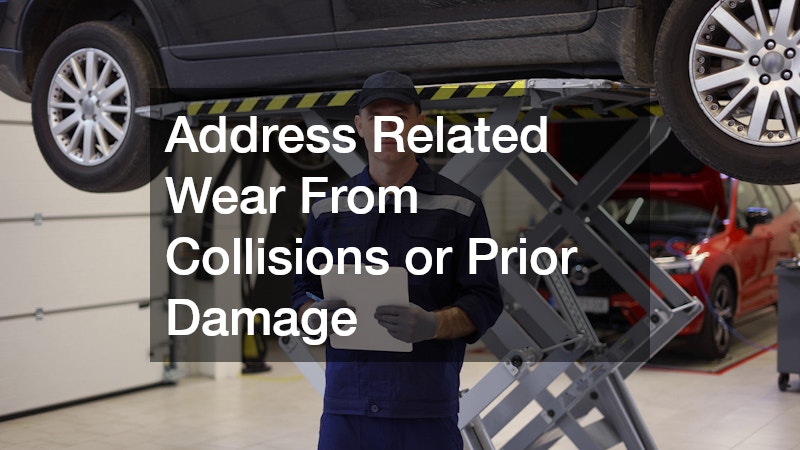
Sometimes transmission slipping is not an isolated issue but a symptom of stress placed on the drivetrain following an accident. If a vehicle has been in a collision, misaligned mounts or bent components can put uneven pressure on the transmission over time. Getting a full inspection from an auto collision repair specialist after any accident helps ensure the drivetrain was not affected, even if the visible damage seemed minor.
In some cases, a vehicle that has been through significant bodywork at an auto body shop will also need drivetrain components checked as part of the repair process. Skipping this step can leave hidden problems that surface months later as slipping or rough shifting, long after the collision itself has been forgotten.
Know When It Is Time to Let the Vehicle Go
Not every transmission problem is worth fixing, especially on older vehicles with high mileage or a history of other mechanical issues. If the cost of repairing the transmission exceeds a significant portion of the car’s overall value, it may make more financial sense to part ways with it rather than sink more money into a vehicle that has multiple aging systems. This is a practical decision, not an emotional one, and it is worth running the numbers honestly.
If you decide to move on, companies offering cash for junk cars can provide a quick and hassle-free way to get value out of a vehicle that is no longer worth repairing. This route lets you avoid the time and effort of private selling while still recouping something toward your next vehicle purchase. Just as boat painting companies specialize in restoring value to watercraft that owners might otherwise scrap, these junk car buyers specialize in extracting fair value from vehicles most people would simply walk away from.
- Add up recent repair costs to see the total investment already made
- Compare the repair estimate to the vehicle’s current market value
- Consider the reliability of other major systems like the engine and brakes
- Factor in how much longer you realistically plan to keep the vehicle
- Get quotes from multiple cash for junk cars buyers before accepting an offer
Final Thoughts
Catching a slipping transmission early is one of the most effective ways to protect both your budget and your safety on the road. Whether the fix turns out to be as simple as a fluid change or as involved as a full replacement, acting quickly always puts you in a stronger position than waiting until the problem worsens. Pay attention to the signs, get a professional diagnosis as soon as something feels off, and make your next decision based on facts rather than guesswork. Your vehicle, and your wallet, will thank you for it.